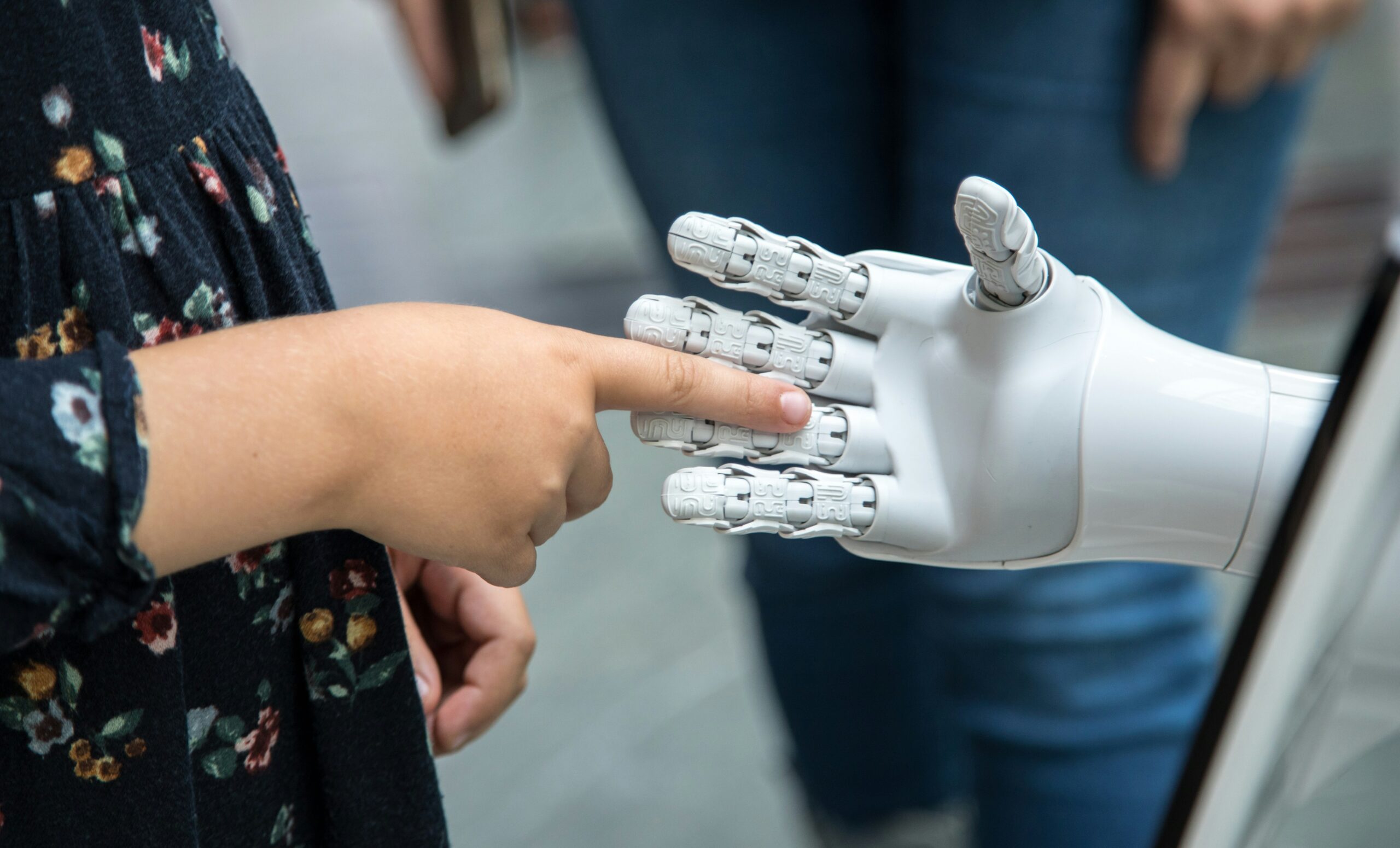

As artificial intelligence continues to reshape the workplace, organizations are seeking new ways to optimize processes while keeping their employees at the center of innovation. Rather than viewing automation as a replacement, the focus is shifting toward designing systems that work in tandem with human judgment, creativity, and adaptability. This approach—often called human-centered automation—ensures that technology enhances rather than diminishes the value of human contributions.
From manufacturing floors to corporate offices, industries across the board are implementing AI tools that streamline operations, reduce errors, and allow employees to focus on more meaningful work. Safwan Sobhan stresses that the key lies in implementing these tools responsibly, with an emphasis on transparency, collaboration, and ethical considerations.
Process Optimization in the AI Era
Process optimization refers to the improvement of workflows to make them more efficient, cost-effective, and reliable. In today’s landscape, artificial intelligence plays a growing role in identifying inefficiencies and automating low-value tasks.
Many businesses now rely on AI systems to analyze large volumes of data and uncover patterns that manual methods might miss. In logistics, AI helps manage inventory and streamline delivery routes, reducing waste and improving turnaround time. AI-enabled analytics also contribute to better forecasting, lowering overhead costs, and boosting agility.
What Human-Centered Automation Means
Human-centered automation emphasizes designing systems that enhance, rather than replace, abilities. Unlike traditional automation, which often removes people from the loop entirely, this approach seeks to support workers by offloading repetitive tasks while preserving decision-making roles for employees.
In sectors like healthcare, automated systems assist clinicians by highlighting anomalies in patient data, but final diagnoses are left to the professionals. This ensures that the technology complements expertise rather than overrides it. These systems are also being trained to detect trends across patient groups, allowing professionals to proactively address health risks.
Core AI Tools Supporting Smarter Processes
Artificial intelligence has grown into a toolkit of technologies that drive smarter, faster operations. Machine learning models can learn from historical data to predict outcomes, while natural language processing allows systems to interpret and respond to human language in real time.
Retail companies now deploy computer vision to monitor stock levels on shelves, automatically alerting staff when supplies run low. In finance, NLP-powered tools help analyze contracts or customer communication, saving hours of manual review. As adoption grows, these tools are increasingly being integrated into mobile platforms and cloud services, expanding their reach and flexibility.
How Industries Apply Human-Centered Automation
Across various sectors, human-centered automation is redefining how work is done without displacing the people behind it. In manufacturing, robotic systems now handle repetitive assembly tasks while workers oversee quality control and troubleshoot mechanical issues. This blend of automation and oversight improves both speed and precision. It also reduces workplace injuries by assigning physically demanding tasks to machines.
In customer service, AI chatbots handle routine inquiries, allowing agents to focus on more complex interactions that require empathy or strategic thinking. This division of labor results in faster response times and improved customer satisfaction. Such solutions work best when they are tailored to support, not sideline strengths.
Healthcare teams are also leveraging AI to assist with administrative tasks like appointment scheduling and patient record management. This lets medical professionals devote more time to patient care and less to paperwork, ultimately improving outcomes. These applications are especially beneficial in settings like emergency departments or community clinics.
Why Human Insight Still Matters
No matter how advanced the technology becomes, human judgment remains a critical part of the equation. Machines can detect patterns, but they often lack the context needed to interpret them meaningfully. A system might flag unusual behavior in financial data, but it takes a person to determine whether it’s fraud or a legitimate anomaly.
Empathy, creativity, and ethical reasoning are areas where people continue to outperform machines. In design roles, AI can generate prototypes quickly, but the final choices about aesthetics and usability still rely on human understanding of emotion and cultural nuance. This is particularly evident in fields like marketing or product development, where user sentiment plays a key role.
Practical Guidelines for Responsible AI Integration
Integrating AI responsibly starts with involving the people who will be using it. When employees are part of the development process, the result is often more intuitive systems that align with actual workflows. It also fosters a culture of collaboration and trust around the technology. This helps ease resistance and builds a sense of ownership among staff.
Ongoing monitoring is just as important as initial deployment. Organizations need to track how AI is performing, make adjustments based on real-world data, and remain transparent about how decisions are made. This helps avoid unintended consequences and ensures fairness. Continual audits and feedback loops are integral components of this strategy. With AI becoming more embedded in daily operations, this human-first mindset will be key to long-term success.
→ For deeper coverage, head to our full archive.
There is no ads to display, Please add some