
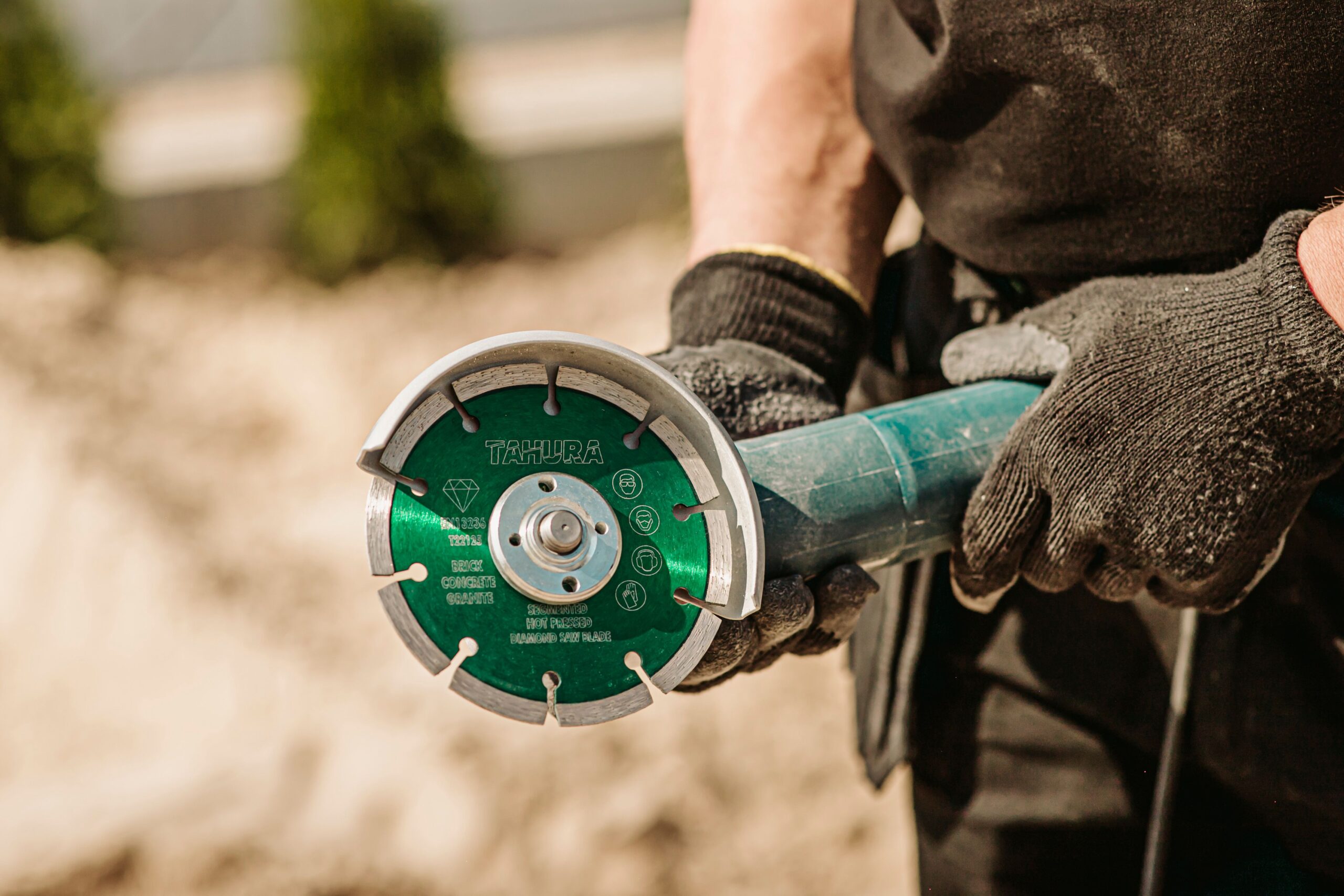

Metal fabrication shops face steady pressure to raise output while protecting fit, finish, and operator safety. Abrasive wheels still serve some jobs well, yet tungsten carbide-tipped blades are changing daily sawing habits. The reason is practical. They cut cooler, leave cleaner edges, reduce rework, and give crews better control across common metals. As teams track total cost per cut, TCT technology is becoming a regular part of production, not a specialty choice.
Cleaner Cuts Change the Workflow
Abrasive cutting grinds through stock, which creates heat, sparks, burrs, and fine dust. TCT blades work differently, using carbide teeth to shear metal with far less mess. On a busy floor, choosing the best TCT saw blade for metal cutting for mild steel, stainless, aluminum, or thin stock can mean less deburring, checking, and correction before welding or assembly.
That cleaner edge adds value in the next operation. A square, cool cut helps parts meet with fewer gaps, which improves fit-up before tacking. Crews may use less weld filler, spend less time grinding, and face fewer alignment problems. Across repeated jobs, small gains in cleanup time can save real labor during a week.
Lower Heat Means Better Material Control
Heat drives many shops to reconsider abrasive wheels for routine cuts. Too much heat can discolor stainless steel, damage coatings, and warp thin stock. Hot parts also slow handling, since operators may need extra time before moving them safely or placing them into a fixture.
TCT blades create chips instead of abrasive dust. Those chips carry heat away from the workpiece, so the part often stays cooler during cutting. That helps operators hold closer control on tubing, angle, channel, flat bar, and sheet profiles. It also lowers the risk of heat-affected edges that need more finishing.
Speed Is Only Part of the Value
TCT saws often cut faster than abrasive systems, but speed is only one reason they are gaining ground. The larger benefit is repeatable performance. A blade that tracks cleanly and leaves a consistent edge gives operators results they can trust during layout, welding, and assembly.
That consistency matters in batch work. When a shop cuts many matching pieces, fewer variations mean fewer fit checks and fewer rejected parts. Operators can focus on producing usable components instead of correcting issues that they should have avoided at the saw.
Total Cost per Cut
Blade cost should never be judged by purchase price alone. A fair comparison includes cut speed, service life, labor, cleanup, rejected parts, and consumables. Abrasive wheels may seem inexpensive at first, yet they wear down during use, change diameter, and often create extra finishing work.
TCT blades cost more upfront, but longer service life can change the math. In many fabrication settings, less cleanup and better accuracy make the total cost more favorable over time. The numbers become clearer when a shop counts minutes spent deburring, correcting fit, sweeping dust, or replacing worn wheels.
Safer, Cleaner Shop Conditions
Metal cutting always requires proper guarding, eye protection, hearing protection, and correct feed technique. Still, the method matters. Abrasive wheels throw heavy sparks and create fine dust, which can increase housekeeping needs and raise exposure concerns.
TCT cutting usually produces chips and fewer sparks. That can make the work area easier to manage, especially in busy fabrication cells where several tasks happen close together. Better visibility during the cut also supports steadier control and helps reduce handling mistakes.
Better Matching to Modern Materials
Fabricators often cut several materials in the same week. Mild steel, stainless steel, aluminum, and thin-wall stock each respond differently under a blade. TCT options give shops more choice in tooth geometry, diameter, and operating speed, which helps crews match the blade to the material instead of forcing one setup to do everything.
That matching matters. A blade used on the wrong material, or at the wrong speed, can wear early, chatter, or leave a poor edge. Expectations are rising because teams now choose blades with the same care they give weld settings and other tooling.
Conclusion
TCT blades are becoming a standard choice because they address real production needs. They cut faster in many applications, yet their greater value comes from cleaner output, lower heat, steady repeatability, and less finishing work. For fabrication teams tracking cost per finished part, those gains are difficult to dismiss. As shops measure labor, accuracy, safety, and waste more closely, tungsten carbide-tipped blades remain a practical upgrade for everyday metal cutting.
→ Learn more from our experts on the home page.
There is no ads to display, Please add some



