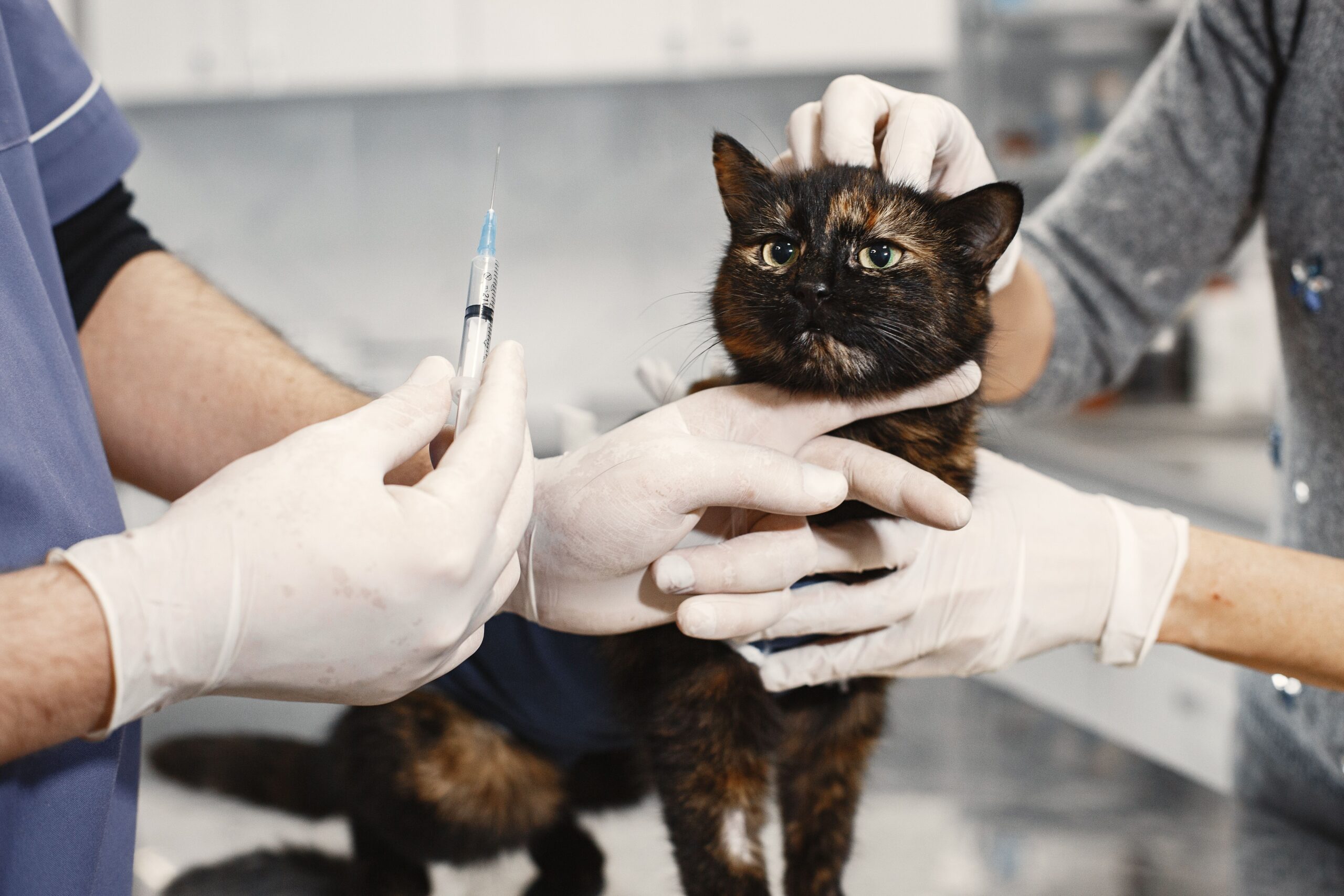

The question nobody answers plainly
Ask five vet clinics what a visit costs and you will get five vague answers. That is not because clinics are hiding something. It is because “a visit” can mean a ten-minute wellness check or a same-day surgery, and the price gap between those two things is enormous. Pet owners in Austin are left guessing, and guessing badly, because most pricing conversations happen after the exam table, not before it.
Honnas Veterinary, a female-owned practice in Austin founded by Dr. Cheri Honnas, treats cost as part of the medical conversation, not an afterthought to it. The practice sees more than 1,500 patients a month, which means its team has a good read on where cost confusion actually starts, and where it can be headed off early.
Where the real money goes
Cost in veterinary care rarely comes from the visit itself. It comes from three places:
Diagnostics. Bloodwork, imaging, and lab tests add up fast because they involve equipment, supplies, and outside lab processing. A vet who orders fewer tests is not necessarily cheaper in the long run; sometimes it means a slower path to the right answer.
Time under anesthesia. Dental cleanings, spays, and any surgery carry cost tied to monitoring equipment and staff hours, not just the procedure itself. This is where prices between clinics can look very different for what sounds like the same service.
Follow-up care. Medication, rechecks, and at-home monitoring are often left out of an initial estimate, then show up later as a surprise. A complete estimate should include them upfront.
Dr. Honnas has said the clinic tries to walk owners through all three before any work begins, not just the line item in front of them that day.
The free exam, and what it actually solves
Honnas Veterinary offers a free exam for new patients. It is a small thing on paper, but it solves a real problem: pet owners often delay that first visit because they do not know what a new clinic will find, or charge, before they walk in.
A free first exam removes that barrier. It lets a vet see the animal, flag anything urgent, and give the owner a real number for what comes next, instead of asking them to commit blind. It does not cover treatment. It covers the uncertainty that keeps people from booking in the first place.
Questions that get you a real number, not a guess
Owners can ask for specifics before agreeing to any procedure:
- What does the estimate include, and what is billed separately if something changes mid-procedure?
- Is there a range, and what pushes the price toward the high end?
- What does aftercare cost, including medication and any recheck visit?
- Is payment expected in full at the time of service, or are there other options?
A clinic that answers these clearly, in plain numbers, is doing the owner a favor most will not get elsewhere. A clinic that deflects or gives only a vague range is worth a second question before booking.
Preventive care as the cheaper path
The clearest way to keep costs down over a pet’s life is not a discount. It is catching problems early, before they need a specialist referral or emergency care. Annual wellness exams, vaccines, and routine bloodwork cost far less than treating an illness that has already progressed.
This is not a new idea, but it is one that is easy to skip when money is tight. Owners who stretch out the time between checkups usually are not saving money. They are deferring a larger bill and giving a condition more time to get worse.
Fear Free care and the cost conversation
Some staff at Honnas Veterinary are Fear Free certified, trained in handling techniques that reduce stress and anxiety for pets during visits. That matters for cost in a practical way: a calmer animal is easier to examine fully in one visit, which means fewer repeat appointments to finish bloodwork or get a clear look at something a scared, squirming pet would not sit still for.
It is a small efficiency, but it adds up over a year of routine visits, and it is worth asking any clinic whether their team has training in this area.
What to actually do with this
Pet owners do not need to memorize price lists. They need three habits:
- Ask for a written estimate before any procedure, and ask what is not included in it.
- Book the annual wellness exam even in a tight month; it is the cheapest visit a pet will have all year.
- Use a free new-patient exam, where one is offered, to get a real read on a clinic before committing to ongoing care there.
None of this requires a bigger budget. It requires asking for numbers before the work starts, and treating a vet’s willingness to give them as part of deciding whether to trust that clinic with a pet’s care.
→ Don’t miss our latest updates — visit the main site.
There is no ads to display, Please add some