
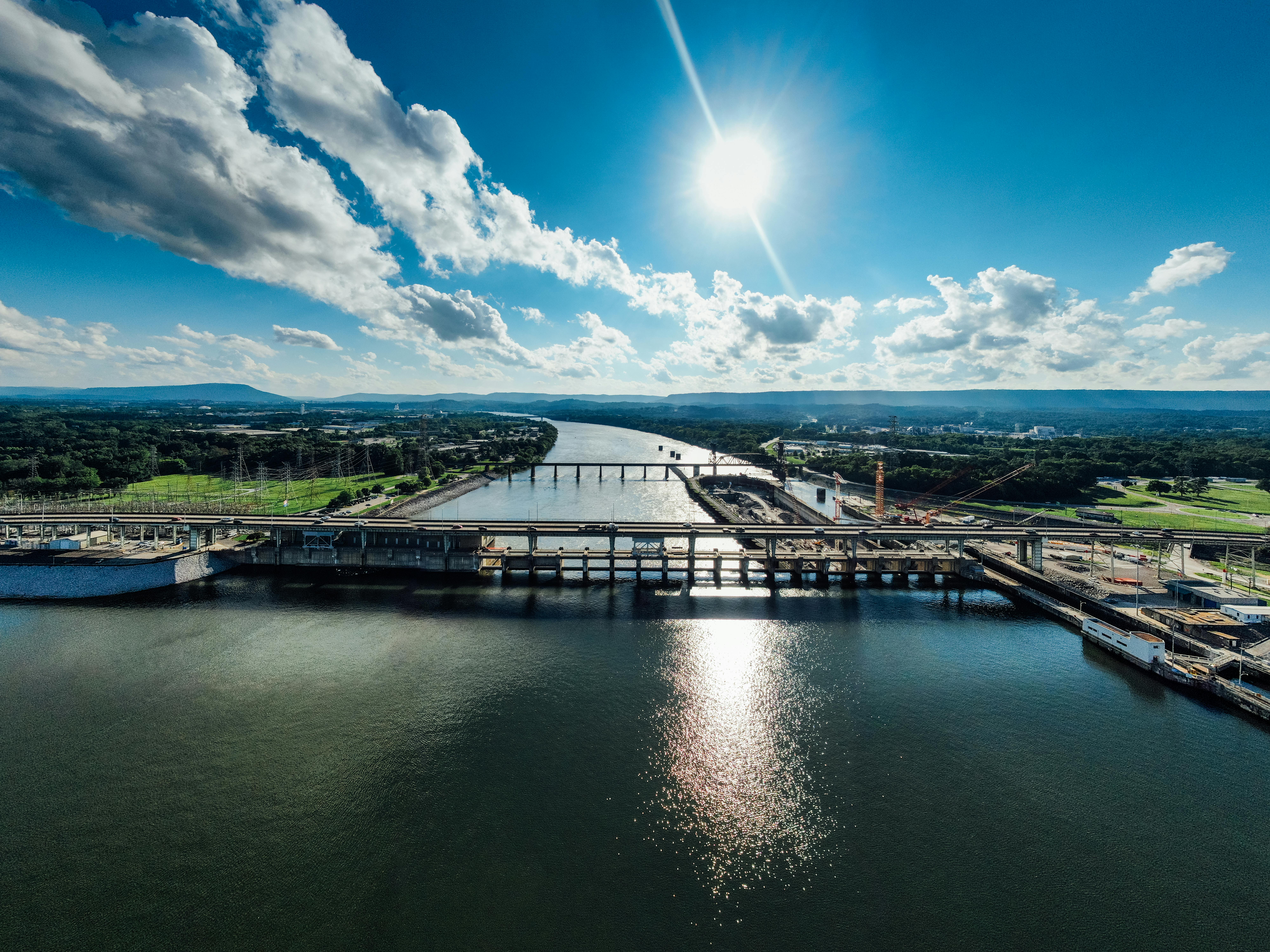

The statistics paint a troubling picture of America’s rural infrastructure divide, from broadband to bridges. There are an estimated 15 million schoolchildren without home internet access. As to U.S. cities, 66 lack direct Interstate Highway System connections. And only 60% of rural counties offer public transportation. These gaps, and others like them, reflect decades of underinvestment that American Infrastructure Partners, a firm specializing in private-public infrastructure partnerships, believes private capital might help address.
The Hidden Costs of Rural Disconnection
Rural Americans shoulder particular burdens in accessing basic services. Rural households travel 50% more miles on average than urban residents, and this travel is often on deteriorating roads — 12% of major rural thoroughfares were rated in poor condition as of 2022. Increased travel means higher fuel costs and vehicle maintenance, and it leads to time away from family, delayed emergency services, and more limited access to economic opportunities.
Rural communities remain vital to American prosperity. According to a recent report by transportation nonprofit Trip, rural regions generate 11% of goods production earnings, drawn from sectors from farming and forestry to mining and energy extraction. This compares to just 2% in urban areas. Manufacturing accounts for 15% of rural economic activity versus 9% in cities, and this productivity depends on reliable infrastructure that increasingly shows signs of strain.
Trip’s 2024 analysis reveals the scope of rural infrastructure needs: $97 billion for road rehabilitation, $53 billion for bridge repairs, and $48 billion for essential expansions.
Is the IIJA Enough?
Whether in rural, suburban, or urban areas, the task of converting infrastructure needs, particularly bridges, into viable projects faces substantial hurdles.
The Infrastructure Investment and Jobs Act allocates $350 billion for highway programs through 2026. This funding flows primarily through state-level disbursement, with each state’s share determined by longstanding federal formulas that consider factors like population, road miles, and historical funding patterns. While significant, this five-year investment should be seen as an initial step rather than a complete solution for America’s transportation needs.
The American Road & Transportation Builders Association identifies nearly 221,800 bridges requiring major repair or replacement — a scope that would demand more than $400 billion in dedicated funding. Even focusing solely on the 42,067 bridges currently rated in poor condition, the American Society of Civil Engineers estimates a repair backlog of $125 billion.
States have received $15.9 billion in the first three years of the IIJA’s specialized bridge program, which totals $27.5 billion. Despite this substantial commitment, federal assessments indicate we need to increase total annual bridge rehabilitation spending from $14.4 billion to $22.7 billion — a 58% increase — simply to improve current conditions. At present investment rates, completing just the currently identified repairs would extend to 2071.
At the same time, mayors and local governments in a variety of settings often lack experience evaluating private infrastructure proposals, and public infrastructure projects can get bogged down in red tape.
In response, United Bridge Partners has developed an approach to public-private infrastructure partnerships that establishes dedicated teams and capital pools for specific infrastructure types, such as bridges, broadband, and post offices. With experience from multiple projects over the years, these teams provide expertise to communities and local governments that may not have previously managed large-scale infrastructure projects. “Infrastructure is a local problem,” says American Infrastructure Partners CEO Bob Hellman. “Eighty percent of infrastructure is owned and controlled at the local community level.”
Building Bridges, Literal and Financial
United Bridge Partners, a subsidiary of American Infrastructure Partners, maintains a team of approximately 40 professionals focused exclusively on bridge development. UBP has successfully completed four major bridge projects—each valued at over $100 million—within four years. These projects account for roughly 30% of comparable U.S. bridge completions during that period.
A prime example of private infrastructure investment is UBP’s work on the South Norfolk Jordan Bridge. In 2008, when Virginia’s oldest drawbridge reached critical condition, the city of Chesapeake faced limited options—municipal funds totaled only $17 million, while replacement costs were initially projected at $200 million. UBP stepped in to deliver a privately financed solution, demonstrating how private capital can address critical infrastructure needs.
Through a partnership with UBP, Chesapeake was able to construct a new bridge for $143 million, more than 25% less than initial state estimates. The new elevated Jordan Bridge design freed 12.6 acres for public use, enabling Chesapeake to invest $4.3 million in park amenities, including boat ramps and fishing facilities.
The Houbolt Road Extension in Joliet, Illinois, further demonstrates how private infrastructure investment can address specific community needs. The project provides a direct route between I-80 and CenterPoint Intermodal Center, one of North America’s largest inland ports. The new connection has reduced truck idle time by approximately 20,540 hours annually, generating savings of $122,000 in fuel and maintenance costs while cutting CO2 emissions by 240.5 metric tons per year.
Success in private-public infrastructure partnerships requires balancing investor returns with community needs while developing sustainable operational models. Local control necessitates solutions tailored to specific community circumstances; it also requires careful attention to how each community will be able to handle long-term maintenance of newly constructed or repaired infrastructure.
Private infrastructure investment offers one tool for addressing America’s infrastructure gaps, though the challenge lies in developing models that balance financial sustainability with public benefit — work that remains essential to maintaining America’s economic and social fabric.
“As private infrastructure investors, those of us in the business need to do more than react to an asset. We need to be reacting to a problem,” says Hellman. “Our industry needs to listen to what a community’s infrastructure problems are. We need to come into communities where there’s a broken infrastructure asset and use our capital to fix the problem.”
There is no ads to display, Please add some



