
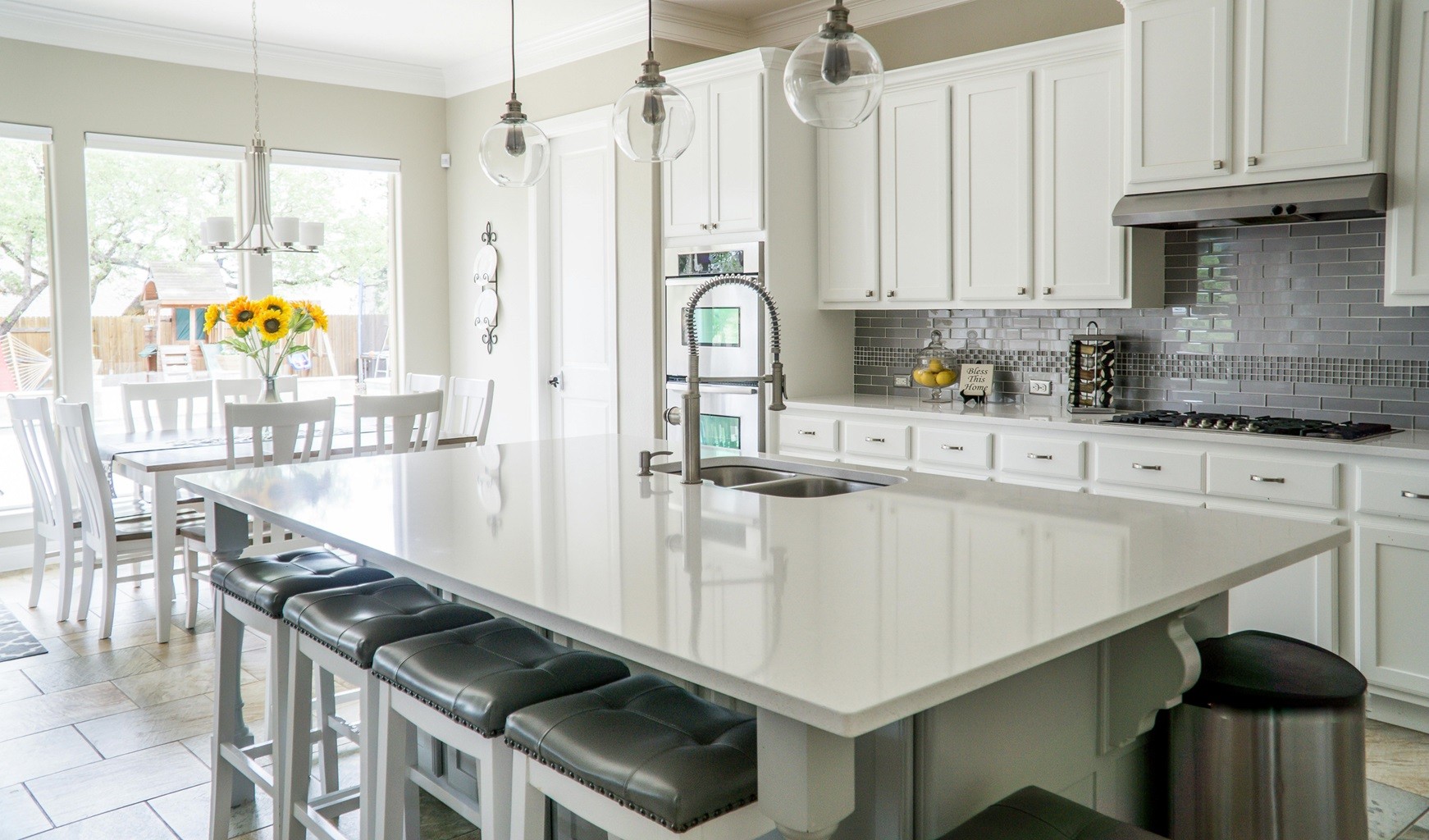

When it comes to designing your kitchen, one of the most important decisions you’ll make is choosing the right countertop material. The countertop is not just a functional surface but also a focal point of your kitchen’s design. One of the most popular and timeless materials for kitchen countertops is stone. With a variety of stone options available, each with its own unique properties, aesthetics, and care requirements, it can be challenging to know where to start.
In this guide, we’ll break down the most common types of stone countertops, highlighting their benefits and helping you decide which one best fits your needs, style, and budget. It’s also important to choose the right Denver countertops provider.
- Granite: The Classic Stone
Granite is one of the most popular choices for kitchen countertops, and for good reason. It’s a natural stone known for its durability, heat resistance, and beautiful appearance. Granite Countertops come in a wide variety of colors and patterns, from sleek blacks and whites to more intricate swirls and specks of color. Its natural beauty adds a touch of luxury to any kitchen, making it a great investment.
Pros:
- Durable and Heat-Resistant: Granite can withstand high temperatures, making it ideal for cooking and food preparation.
- Scratch-Resistant: Granite is tough and resistant to scratches, which is perfect for busy kitchens.
- Unique Patterns: Each slab of granite is unique, so you’ll have a one-of-a-kind countertop.
Cons:
- Sealing Required: Granite is porous, so it needs to be sealed periodically to prevent stains and bacteria buildup.
- Heavy: The weight of granite requires sturdy cabinets and proper installation.
- Quartz: The Low-Maintenance Alternative
If you love the look of natural stone but want a more low-maintenance option, quartz is an excellent choice. Quartz countertops are engineered using natural quartz mixed with resins and pigments to create a non-porous, uniform surface. It’s available in a wide range of colors and patterns, including options that mimic the look of granite or marble.
Pros:
- Non-Porous: Unlike granite, quartz doesn’t require sealing and is highly resistant to stains.
- Low Maintenance: It’s easy to clean and doesn’t harbor bacteria or mold.
- Durable and Scratch-Resistant: Quartz countertops are tough and resistant to everyday wear and tear.
Cons:
- Less Heat-Resistant: Quartz can be damaged by high heat, so using trivets and hot pads is essential.
- Can Appear Synthetic: While quartz can mimic the look of natural stones, it may lack the unique veining and texture found in real stone.
- Marble: The Elegant Beauty
Marble is the epitome of luxury and elegance. With its smooth surface and striking veining, marble countertops can elevate the design of any kitchen. While marble is softer and more prone to scratches and stains than granite or quartz, its timeless beauty makes it a favorite for homeowners who want a sophisticated look.
Pros:
- Beautiful Aesthetic: The distinctive veining and colors of marble make it a highly desirable material for high-end kitchens.
- Heat Resistant: Marble is excellent at handling high temperatures, so it’s great for bakers and chefs who need to roll out dough or place hot pots on the surface.
Cons:
- Prone to Scratches and Stains: Marble is softer than granite, which means it’s more susceptible to scratches. It’s also more porous, so it stains easily if not properly sealed.
- Requires Regular Maintenance: To keep marble looking its best, regular sealing is necessary, and you’ll need to be cautious about acidic spills like lemon juice or wine.
- Soapstone: The Resilient Choice
Soapstone is another natural stone that’s growing in popularity for kitchen countertops. It has a smooth, matte finish and a soft, earthy look. While it’s more commonly seen in rustic and traditional kitchens, soapstone also pairs well with modern designs, offering a unique, durable alternative to granite or marble.
Pros:
- Heat and Stain-Resistant: Soapstone is highly resistant to heat and can withstand even the hottest pots and pans. It’s also naturally non-porous, making it stain-resistant.
- Low Maintenance: Soapstone doesn’t require sealing and only needs occasional oiling to maintain its deep, rich color.
- Unique Aesthetic: The subtle, earthy tones of soapstone give it a unique, refined appearance.
Cons:
- Soft and Prone to Scratching: While soapstone is resistant to stains, it is softer than other stones and can be scratched or dented.
- Limited Color Options: Soapstone typically comes in shades of gray, green, and black, so the color choices are more limited than with other stones.
- Limestone: The Natural and Affordable Stone
Limestone is a natural stone that offers a warm, neutral tone perfect for more rustic or Mediterranean-inspired kitchens. It’s softer than granite, which can make it easier to work with, but it also means it can be prone to scratching and staining if not properly cared for.
Pros:
- Unique and Natural Appearance: Limestone has a distinctive look with earthy tones and textures that bring a natural, rustic feel to a kitchen.
- Cost-Effective: Compared to other natural stones like granite and marble, limestone is often more affordable.
Cons:
- Requires Careful Maintenance: Limestone is porous and can stain easily if not sealed regularly.
- Softness: It’s not as durable as granite or quartz and can be scratched or damaged by heavy use.
Final Thoughts: Which Stone is Right for You?
Choosing the right stone for your kitchen countertops ultimately depends on your lifestyle, aesthetic preferences, and maintenance habits. Here’s a quick recap of the best options:
- Granite is ideal if you want a durable, heat-resistant surface with unique patterns.
- Quartz is perfect for low-maintenance kitchens where ease of care is a priority.
- Marble is the go-to choice for those seeking luxurious beauty and timeless elegance.
- Soapstone offers a resilient, rustic look with minimal maintenance.
- Limestone is an affordable natural stone option that works well in more rustic kitchens.
No matter which stone you choose, remember that your countertops will be an integral part of your kitchen for years to come. Take your time to weigh the pros and cons, and choose the right provider of Denver countertops. and you’ll end up with a countertop that not only meets your functional needs but also complements your kitchen’s style.
There is no ads to display, Please add some



