
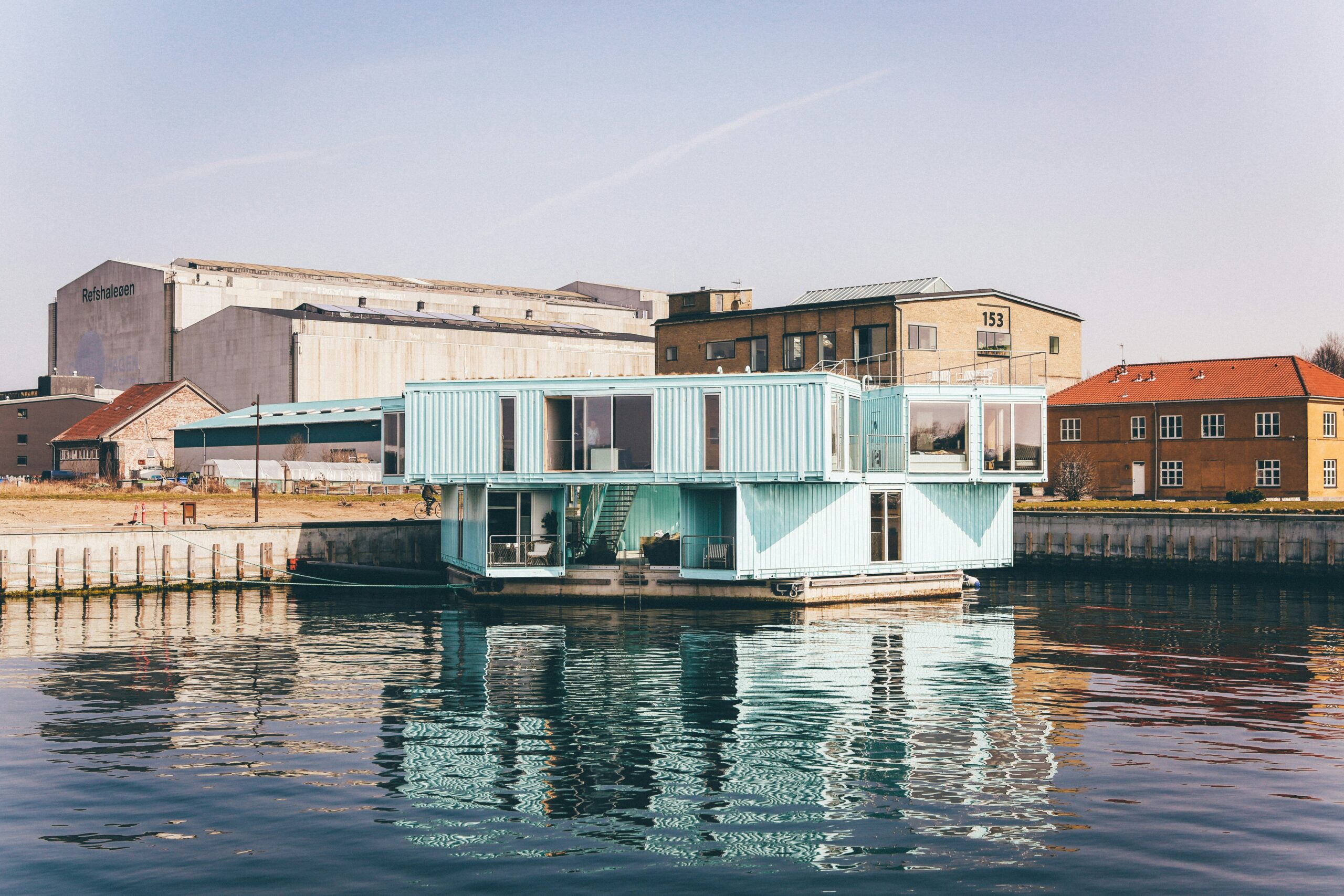

From the ports of Shanghai to pop-up shops in downtown L.A., shipping containers have long proven their value in global trade. But today, they’re doing more than just transporting goods—they’re transforming into homes, offices, cafés, storage facilities, mobile clinics, art studios, and more. This shift has sparked a growing demand for custom shipping containers that reflect both form and function.
Welcome to the world where industrial grit meets creative expression. Designing your dream container isn’t just about cutting holes in steel—it’s about marrying vision with engineering. In this blog, we’ll explore the art and science behind customizing a shipping container to suit your unique needs.
Why Custom Shipping Containers?
Standard containers are built for uniformity and durability. They’re made to stack, lock, and withstand extreme weather. But they aren’t one-size-fits-all—especially if your needs go beyond simple storage or freight. That’s where customization steps in.
Whether you’re a startup building a mobile café, an NGO creating an eco-friendly medical clinic, or a homeowner pursuing a minimalist lifestyle, custom shipping containers offer limitless potential. The process allows you to:
- Tailor dimensions and layouts
- Add doors, windows, insulation, and HVAC
- Customize electrical, plumbing, and interior finishes
- Integrate eco-conscious features like solar panels
- Create a visually distinctive exterior
Customization turns a cold steel box into a warm, functional space that reflects your purpose, identity, and innovation.
Step 1: Start with Purpose
Every great design begins with intention. Before you think about colors, finishes, or amenities, define your core purpose:
- Will the container serve as a home, office, or retail space?
- Is mobility or permanence more important?
- What’s your climate and local building code environment like?
- Will you need plumbing, electricity, or internet access?
- Are you building just one unit—or scaling into many?
Knowing your “why” will shape every step that follows. For example, a luxury vacation rental will demand a different approach than a rugged field office for construction work.
Step 2: Pick Your Base Container
Shipping containers come in standard sizes—most commonly 20-foot and 40-foot lengths, with heights ranging from 8.5 to 9.5 feet. But depending on your goals, you might consider:
- High Cube Containers: Extra height (9.5 ft) for more vertical room
- Reefer Containers: Already insulated, ideal for temperature-sensitive builds
- Open-Top or Side-Open Containers: Easier access for loading or open-air designs
- Custom-length Containers: Can be fabricated to non-standard sizes
Quality matters too. Used containers are budget-friendly but may need repair or reinforcement. One-trip or new containers are pricier but offer a clean slate.
Step 3: Think Inside the Box—Layout and Design
This is where creativity flourishes. Once your purpose and size are defined, it’s time to map the layout. Ask yourself:
- How will foot traffic flow?
- Where will doors and windows go for optimal light and ventilation?
- Do you need partitions, storage, or lofted space?
- What about ceiling height and head clearance?
- Should your container be modular or stackable?
Many opt to work with architects or container design experts who use CAD tools to create efficient and visually compelling layouts. A well-planned design maximizes space, comfort, and utility.
Step 4: Engineering Meets Aesthetics
Customizing a shipping container isn’t just about aesthetics—there’s serious engineering involved. Cutting a hole in a window may compromise structural integrity. Add plumbing, and you need to consider waste management and code compliance.
Some key technical considerations:
- Structural Reinforcement: Reinforce after cutting walls for doors or windows
- Insulation: Crucial for temperature regulation and condensation control
- Ventilation: Passive vents or HVAC systems for airflow
- Electrical & Plumbing: Plan for circuits, outlets, breakers, water lines, and drainage
- Fire Safety: Non-combustible materials and fire-rated doors/windows
Work with certified professionals to ensure your container meets local zoning laws and safety standards. The goal is to balance beauty with durability and compliance.
Step 5: Interior Finishes
Here’s where the container truly becomes yours. From minimalist Scandi-chic to rustic industrial, the interior can be designed to reflect any style. Popular interior finish materials include:
- Drywall or Wood Paneling: Adds warmth and conceals insulation
- Vinyl or Laminate Flooring: Easy to clean and install
- LED Lighting: Energy-efficient and design-forward
- Built-in Furniture: Maximizes space in tiny environments
- Smart Home Features: Control lighting, temperature, and security from your phone
Whether you’re designing a cozy Airbnb rental or a high-tech showroom, custom shipping containers give you the creative freedom to build something truly one-of-a-kind.
Step 6: Exterior Upgrades
The exterior is your first impression—and with containers, the options are wide open:
- Paint or Wraps: Brand it with logos, graphics, or sleek color schemes
- Cladding: Wood, metal, or recycled materials for texture and insulation
- Roof Extensions or Awnings: Add shade or protection
- Decks and Landscaping: Elevate the environment around the container
- Security Features: Locks, cameras, and alarms for peace of mind
Containers are blank canvases. With the right design choices, they can become art installations that also serve a practical purpose.
Sustainable and Off-Grid Solutions
Custom shipping containers are inherently eco-friendly when reused. But you can take sustainability even further:
- Solar Panels: Generate your own power
- Rainwater Harvesting Systems: For irrigation or gray water use
- Composting Toilets: Ideal for remote or mobile setups
- Green Roofs: Provide insulation and visual appeal
- Recycled Materials: For finishes and furnishings
These features are especially useful in remote areas, mobile units, or projects aligned with environmental stewardship.
Real-World Applications
The versatility of custom shipping containers has caught the attention of industries worldwide. Here are a few use cases:
- Retail: Pop-up boutiques, food trucks, or mobile bars
- Hospitality: Tiny hotels, beachside rentals, or eco-resorts
- Construction: Job site offices, equipment storage, and break rooms
- Healthcare: Mobile clinics, COVID testing labs, vaccination units
- Education: Classrooms, libraries, or maker spaces in under-resourced areas
- Residential: Full-time homes, guesthouses, or ADUs (Accessory Dwelling Units)
The future of container architecture is limited only by imagination—and a little engineering savvy.
The Cost of Customization
While standard shipping containers are relatively affordable, customization can significantly increase the cost. However, the price is often still lower than traditional construction.
Variables that affect cost include:
- Container size and condition
- Number of modifications
- Plumbing, electrical, and HVAC needs
- Interior and exterior finish materials
- Labor, transportation, and permits
It’s smart to consult with a container customization specialist to get a tailored quote and timeline.
Dream Big, Build Smart
Designing your dream container is equal parts inspiration and engineering. It’s where art meets science—where your ideas take shape in steel and become something both functional and beautiful. With custom shipping containers, you’re not limited to cookie-cutter spaces. You get to create something bold, adaptable, and truly yours.
So, whether you’re reimagining how we live, work, or connect with others, remember this: one container can hold a world of possibilities. All it takes is a little vision—and the right team to bring it to life.
There is no ads to display, Please add some



