
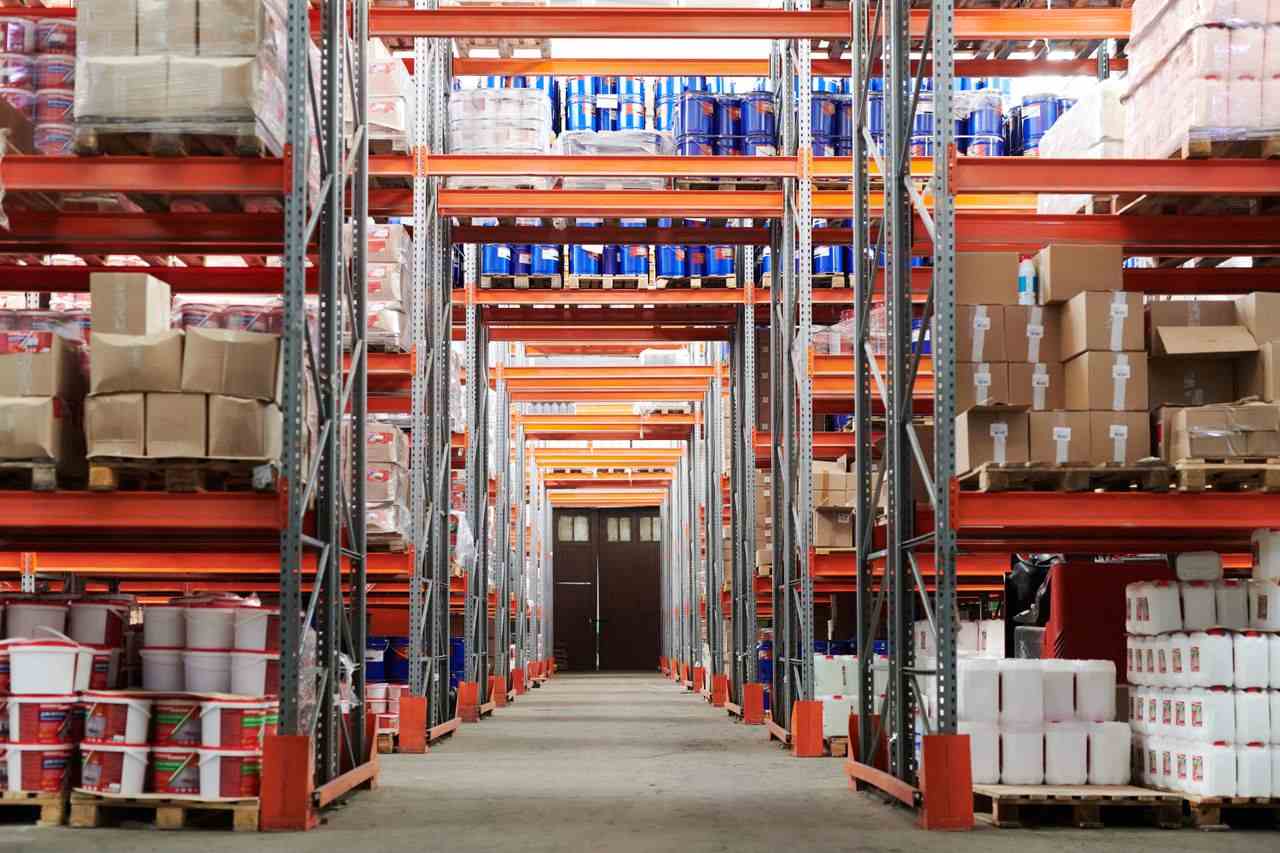

Commercial real estate leases are a significant cash-draining capital trap. Leasing 5,000 square feet of warehouse space in a hub like Atlanta, Dallas, or Chicago and signing for three years fixes you into overhead costs regardless of demand changes. This can drain capital when demand slows that would be better used for inventory or advertising costs. Companies are losing a lot every month to store empty space, and a far better solution lies in on-demand physical infrastructure.
Buy Assets, Don’t Rely On Empty Air
Mobile, on-demand physical storage solutions are a superior protection against shrinking margins, and this approach benefits a broad array of businesses. Even large players like Target use regional centers to handle bulk products; however, smaller businesses suffer from the minimum lease requirements and high pallet storage fees charged by facilities during peak times.
Rather than contracting out logistics services and relinquishing control of their inventory to costly providers, businesses can have commercial-grade storage containers delivered to their properties, offices, or even retail store parking lots.
This setup provides secure and accessible storage for your inventory without the long-term financial obligation of owning a building or the leasing fees of a commercial property. Consider a construction business in Ohio that is awarded a large municipal contract.
They can have three 40-foot containers delivered to the job site for a period of six months, and then return the containers when the project is completed. This bypasses permit processes and reduces the time and cost of transporting items from a far-off facility, all while paying only for the precise amount of space they use.
Mitigate Short-Term Overstock Issues
When manufacturers encounter oversupply problems, this approach also proves effective. If a Detroit automobile parts producer unexpectedly received a surplus of steel plates, they cannot wait weeks for a commercial real estate broker to locate a facility. Transporting storage containers directly to the factory grounds immediately solves the storage problem in just a matter of hours.
Retailers face a similar scenario when early season inventory arrives. A Los Angeles clothing brand, for example, can store extra winter stock in temporary units behind their storefronts before it is available for sales. This prevents them from having to pay peak pricing for third party logistics services or hastily launching price reduction on current stock.
Decentralized Supply Chains Prevent Systemic Failures
The reliance on a single central warehouse makes the supply chain vulnerable. During harsh winters that freeze routes through Memphis or when port operations are disrupted in Los Angeles, the delivery timelines for companies with one centralized facility can quickly collapse.
Having inventory spread across smaller, more flexible units ensures continuity of operations. If a power outage, severe weather event, or labor shortage occurs in a particular region, storage containers in other states or counties can easily meet customer demand. This ensures consistent delivery times to customers, irrespective of regional issues.
Small Businesses Must Stay Flexible
Businesses that focus on flexible, portable assets and shed the burden of fixed real estate liabilities, are able to adapt rapidly to changing market dynamics and surpass competitors bogged down by permanent overhead. Agility is the cornerstone of modern commerce, and abandoning conventional warehouses is an effective way to safeguard your company’s finances.
There is no ads to display, Please add some



