


The First Pillar: Securing Your Physical Workspace
In today’s business world, unexpected disruptions can have a significant impact. Power outages, natural disasters, or sudden growth can quickly halt your operations. This can greatly impact your business and its future. We believe that keeping your business running smoothly, regardless of the circumstances, is key to long-term success.
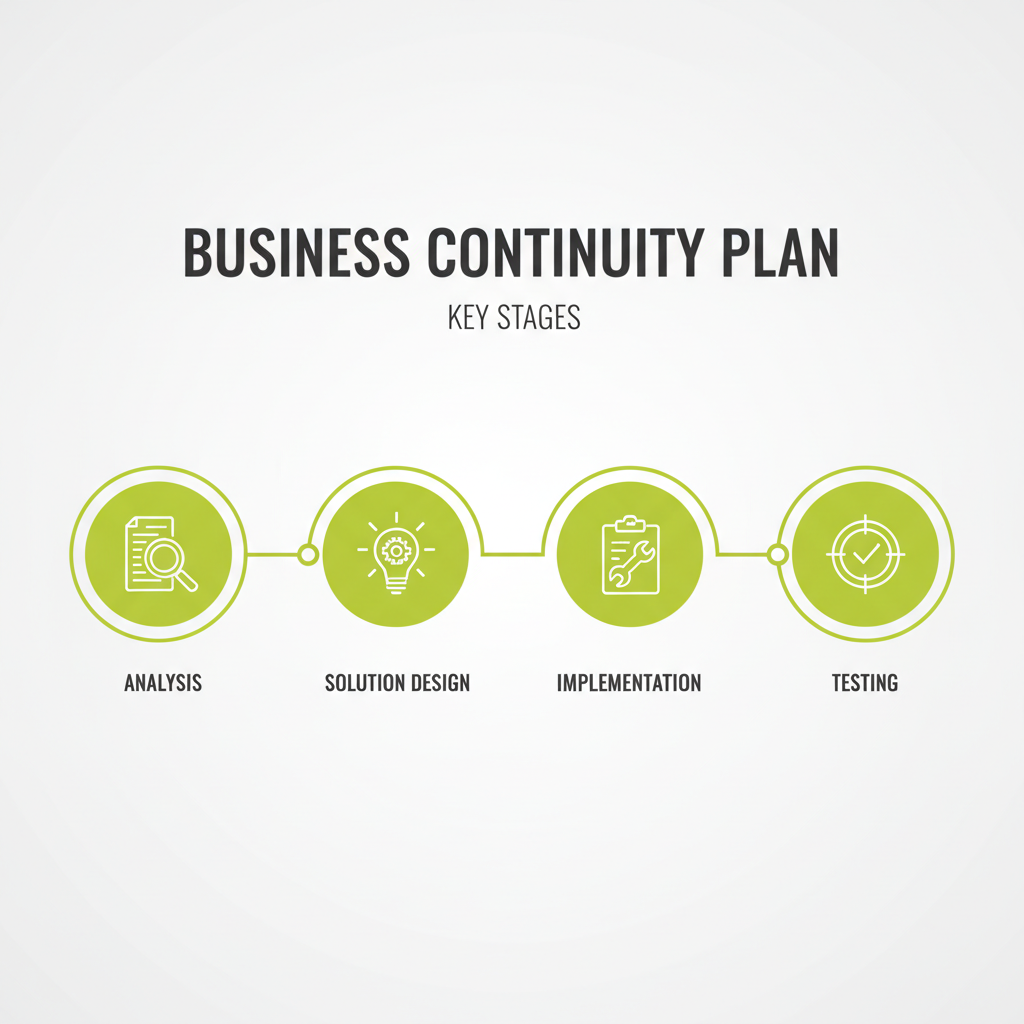
This guide will show you how to build a strong business continuity plan. We will focus on three critical areas.
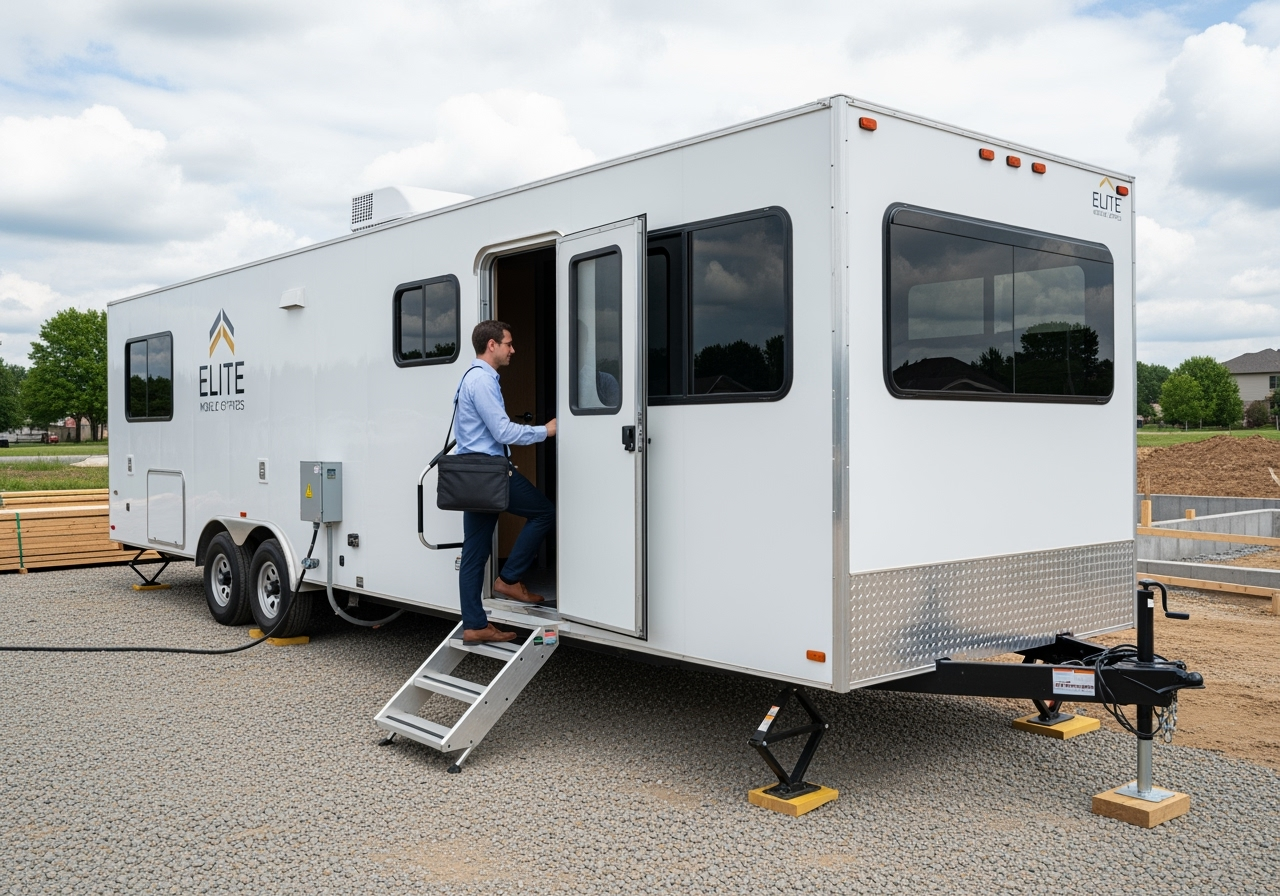
First, we will cover securing your physical workspace. This includes exploring flexible solutions, such as mobile offices, for quick setup. These adaptable business continuity spaces are vital when your main location is unavailable.
Second, we’ll discuss ensuring continuous power.
Third, we will look at having the right insurance.
By planning for these pillars, we can protect your business and help it thrive, even during challenging times.
Maintaining uninterrupted operations often hinges on having a functional workspace. When your primary office becomes inaccessible due to unforeseen circumstances—such as a natural disaster, a major renovation, or a sudden surge in project demand—a robust business continuity plan must include provisions for alternative physical spaces. This is where mobile offices emerge as indispensable assets, offering flexibility, speed, and efficiency that traditional construction cannot match.
Planning for Space Disruption
The concept of “space disruption” encompasses a wide array of scenarios where your usual operational hub is compromised. For instance, a burst pipe could render your main office unusable for weeks, or a large-scale construction project might necessitate a temporary administrative center on-site. In such cases, businesses need solutions that can be deployed rapidly and effectively.
- Swing Space: During office renovations or expansions, a mobile office can serve as an ideal swing space, enabling your team to continue working uninterrupted. This prevents costly downtime and keeps projects on schedule.
- Temporary Headquarters: In the event of a major disaster, a mobile office can quickly become a temporary headquarters, enabling critical personnel to coordinate recovery efforts and maintain essential business functions.
- Emergency Response: For organizations involved in disaster relief or emergency services, mobile offices provide immediate command centers and operational hubs in affected areas.
- Jobsite Offices: Perhaps the most common application, mobile offices are crucial for construction sites, offering a professional space for project managers, engineers, and administrative staff. They serve as meeting rooms, plan review areas, and secure storage for documents and equipment.
- Sales Offices: For real estate developments or remote sales operations, mobile offices provide a professional and welcoming environment for client meetings and transactions, often equipped with amenities that enhance the customer experience.
- Interim Offices: Rapidly expanding businesses or those undertaking long-term projects often require interim office space to accommodate growing teams without committing to permanent leases.
These diverse applications underscore the versatility and critical role of mobile offices in ensuring business continuity across various industries, including construction, healthcare, education, and government.
Integrating Flexible Solutions into Your Business Continuity Strategy
At the heart of a resilient physical workspace strategy are flexible solutions, such as modular buildings, mobile offices, and container offices. These structures are not merely temporary shelters; they are engineered workspaces designed for specific business needs.
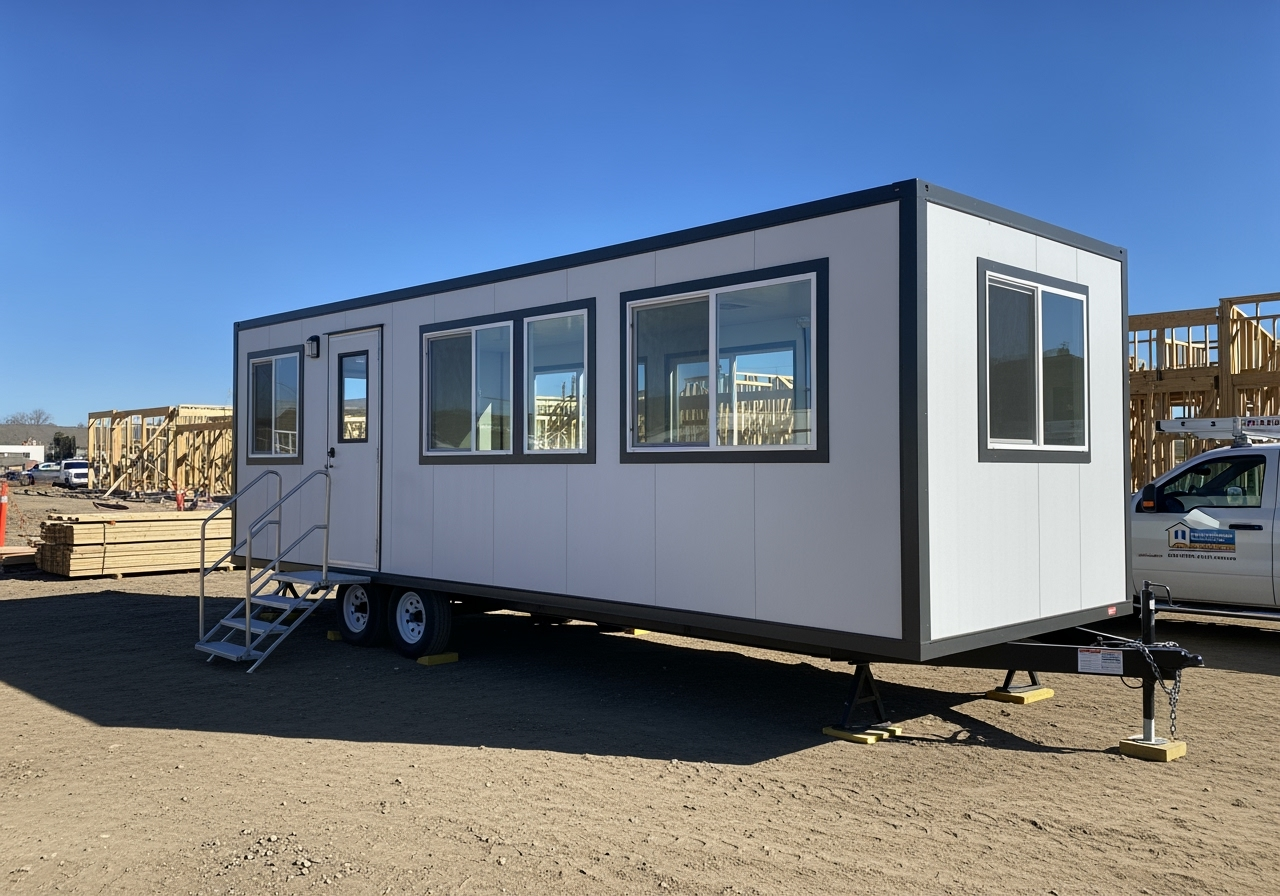
What is a mobile office? A mobile office is a self-contained, portable, and often pre-fabricated structure designed to function as an office space. Unlike traditional buildings, they are built off-site and can be transported and set up quickly at various locations. They provide a functional and secure environment for work, meetings, and administration, making them an excellent solution for temporary or rapidly changing operational needs. They are essentially temporary offices that can be relocated from one point to another, equipped with the necessary services to function like a permanent office.
Key Benefits of Utilizing Mobile Offices:
- Scalability: Mobile offices are available in various sizes and configurations, enabling businesses to scale their workspace up or down as needed. Units can be combined or stacked to create larger complexes, offering unparalleled flexibility for growing teams or fluctuating project demands.
- Cost-Effectiveness: Compared to traditional construction or long-term commercial leases, mobile offices offer a significantly more affordable solution for temporary or project-based needs. This helps businesses manage capital expenditure and operational costs more efficiently.
- Rapid Deployment: One of the most compelling advantages is speed. In-stock standard plan mobile office buildings can be delivered and set up in as little as one business day. This rapid deployment capability is crucial during emergencies or when project timelines are tight.
- Flexibility of Location: Mobile offices can be placed almost anywhere, provided there is adequate space and the necessary utility hookups are available, from urban construction sites to remote industrial facilities.
- Customization: While standard models are readily available, mobile offices offer extensive customization options, from interior layouts and finishes to specialized equipment and branding. This ensures the space aligns perfectly with specific operational requirements and the company’s culture.
- Durability and Quality: Modern mobile offices are built to high standards, often exceeding local building codes. They are designed to withstand harsh weather conditions and provide a comfortable, secure working environment for extended periods—typically a year or more. Many are constructed from reinforced steel, making them weatherproof and robust.
Key Considerations for Temporary Office Spaces
When integrating mobile offices into your business continuity plan, several factors require careful consideration to ensure the chosen solution is optimal for your needs.
Typical Sizes and Configurations: Mobile offices are available in a wide range of sizes to accommodate different team capacities and functional requirements.
- Widths: Common widths include 8, 10, or 12 feet.
- 8-foot wide mobile offices are suitable for small teams (less than 10 people).
- 10-foot-wide offices are ideal for small to medium-sized teams (5-15 people).
- 12-foot-wide offices cater to medium-sized teams (10-20 people).
- Lengths: Standard lengths often include 20 or 40 feet, but larger units, such as 50 or 60 feet, are also common, and some can be combined for even greater space.
- Ceiling Heights: Typical ceiling heights range from 7 feet 6 inches to 8 feet, providing a comfortable and spacious feel.
- Configurations: Options include open layouts, private offices, conference rooms, multi-room setups, and even combinations with storage space or restrooms. Some advanced modular units can be stacked up to three stories, creating multi-level complexes.
Standard Features and Amenities: Modern mobile offices come equipped with a host of features designed to support a productive work environment:
- Interior: Built-in desks, private offices, fluorescent lighting, tile or commercial carpeting, paneled walls for custom designs, and sometimes even wood siding.
- Climate Control: Essential electric HVAC systems provide heating and cooling, ensuring comfort regardless of external weather conditions.
- Electrical Systems: Pre-wired for electricity, including outlets, switches, and sometimes pre-installed electric water heaters.
- Windows and Doors: Typically include horizontal sliding windows with security screens or bars, and sturdy steel exterior doors with deadbolts and latch guards for improved security.
- Optional Restrooms: Many configurations offer optional restrooms, including ADA-compliant options, with hand-washing stations and holding tanks.
Acquisition Options: Businesses have several ways to acquire mobile offices:
- Renting: For short-term projects or uncertain durations, renting offers maximum flexibility and minimal upfront capital investment. Standard units can be delivered very quickly.
- Buy New: For long-term needs or specific customization requirements, purchasing a new mobile office can be a sound investment.
- Buy Used: A significant secondary market exists for used mobile offices. As of recent data, there are 141 used mobile offices listed for sale on platforms like IronPlanet, offering cost-effective solutions. Used units can be a great option for budget-conscious projects.
- Lease-to-Own: Some providers offer lease-to-own programs, which combine the benefits of renting with the option to own the asset in the future.
Customization and Furnishing: Mobile offices are highly customizable to meet specific aesthetic and functional needs.
- Layout Customization: Beyond standard floor plans, providers can tailor interior layouts by adding or removing partitions to create specific zones, such as reception areas, individual offices, or large collaborative spaces. Some providers even offer 3D modular building visualizer tools to help design custom layouts.
- Furnishing Packages: To create a truly turnkey solution, many providers offer comprehensive furnishing packages that include everything needed for a seamless setup. These can consist of office starter kits (desks, chairs, filing cabinets), break room setups (tables, chairs, appliances), and conference room furniture.
- Add-ons and Site Solutions: Beyond the unit itself, a range of accessories can be added, such as steps and ramps (often OSHA-compliant), skirting and tie-downs, window bars and security screens, ground-level offices, storage containers, fire extinguishers, and portable restrooms. This comprehensive approach allows for a fully functional and secure site.
Site Preparation and Permitting: While mobile offices are “mobile,” they still require basic site preparation (level ground, utility access) and may be subject to local permitting and zoning regulations, especially if they function as a standalone business address. It’s crucial to consult with local authorities and your mobile office provider to ensure compliance.
Feature Renting Temporary Office Space Buying Temporary Office Space
Duration: Ideal for short-term projects (less than 1 year) or uncertain timelines. Better for long-term needs (1+ years) or repeated use.
Customization Limited to available inventory; minor modifications possible. Extensive customization possible; built to exact specifications.
Capital Exp. Low upfront costs; operational expense. Significant upfront capital investment.
Flexibility: Easy to return or swap units as needs change. Asset ownership often requires resale or storage when it is no longer needed.
The rental provider typically covers maintenance, which is the responsibility of the owner.
Depreciation Not applicable. Can be depreciated as a business asset.
The Second Pillar: Ensuring Continuous Power
Power is the lifeblood of any business. A sudden power outage can cripple operations, resulting in lost data, missed deadlines, and substantial financial losses. Even with a perfectly planned alternative workspace, a lack of reliable power renders it useless. Therefore, ensuring continuous power is an indispensable component of any robust business continuity strategy.
Assessing Your Power Vulnerabilities
Before implementing any power resilience solutions, it’s critical to understand your specific vulnerabilities and needs. This involves a thorough analysis of your current infrastructure and potential risks.
- Power Outage Risks: Consider the common causes of power outages in your region, including severe weather, grid failures, equipment malfunctions, or planned maintenance. How frequently do these occur, and what is their typical duration?
- Critical Systems Analysis: Identify every piece of equipment and system that is essential for your business to function. This includes not just computers and servers, but also communication systems, security systems, HVAC in climate-sensitive areas, and specialized machinery. Prioritize these systems based on their impact on operations.
- Load Calculation: Accurately determine the power requirements (in kilowatts or kVA) for all critical systems. This calculation is vital for sizing backup power solutions correctly, ensuring they can handle the full load without being overstressed or inefficiently large. Consider both peak and average power consumption.
Implementing Power Resilience Solutions
Once you’ve assessed your vulnerabilities, you can implement custom solutions to mitigate power risks and ensure uninterrupted operations, even in your temporary mobile office setups.
- Backup Generators: Commercial backup generators are the cornerstone of continuous power. These units automatically kick in when grid power fails, supplying electricity to your critical systems. They are particularly effective for prolonged outages and can power entire facilities, including mobile office complexes. For businesses prioritizing uninterrupted operations, investing in robust generator solutions is a strategic move. You can learn more about the importance of such systems for business continuity through resources like MTS Power Business Continuity.
- Uninterruptible Power Supply (UPS): For sensitive electronic equipment, such as servers and data centers, a UPS provides immediate, short-term power during the brief interval between a grid power failure and the generator taking over. This prevents data loss and allows for a graceful shutdown if generator power is unavailable.
- Fuel Storage Plans: Generators require fuel. A comprehensive plan must include provisions for adequate fuel storage on-site and agreements with suppliers for priority refueling during widespread outages. Regular monitoring of fuel levels and quality is essential.
- Regular Maintenance Schedules: Like any critical equipment, generators and UPS systems require routine maintenance to ensure they function flawlessly when needed most. This includes regular testing, oil changes, battery checks, and software updates.
- Power Requirements for Temporary Sites: Mobile offices, while self-contained, still need a reliable power source. This can be achieved by connecting to existing grid infrastructure or, more commonly, by deploying dedicated portable generators. Ensure that your mobile office provider can advise on the specific power needs and hookup requirements for your chosen units. This includes understanding voltage, amperage, and the type of electrical panel installed in the mobile office. Planning for these needs upfront will prevent delays and ensure your temporary workspace is fully functional from day one.

The Third Pillar: The Financial Safety Net of Insurance
Even with the most meticulous planning for physical space and power, unforeseen events can still incur significant financial costs. This is where a comprehensive insurance strategy becomes the third, non-negotiable pillar of business continuity. The right insurance coverage acts as a crucial financial safety net, protecting your business from potentially ruinous losses and enabling a smoother recovery.
The Role of Insurance in Business Continuity
Insurance is not just about compliance; it’s about safeguarding your assets, revenue, and future. Understanding the various types of coverage available is crucial for establishing a robust financial framework.
- Business Interruption Coverage: This is perhaps the most critical insurance for business continuity. It compensates your business for lost income and extra expenses incurred while your operations are suspended due to a covered peril (e.g., fire, storm damage, power outage). This coverage can help pay for rent on a temporary mobile office, employee salaries, and other ongoing expenses until you can resume normal operations. It ensures cash flow even when revenue streams are disrupted.
- Property Insurance: This coverage protects your physical assets, including your primary office building, equipment, inventory, and mobile offices. It’s vital to ensure your policy explicitly covers temporary structures and their contents, whether they are owned or rented. This protects the investment made in your flexible workspaces.
- Contingent Business Interruption (CBI): This coverage extends beyond your direct operations, protecting against losses caused by disruptions to your key suppliers or customers. If a critical supplier’s facility is damaged, preventing them from providing you with essential materials, CBI can help cover your resulting financial losses.
- Cyber Insurance: Cyberattacks are a growing threat to business continuity. Cyber insurance covers costs associated with data breaches, ransomware attacks, and other cyber incidents, including forensic investigations, legal fees, notification costs, and business interruption losses due to system downtime.
Aligning Your Policy with Your Plan
Having insurance is one thing; having the right insurance that aligns with your specific business continuity plan is another. A proactive approach to your policies is key.
- Policy Review: Regularly review your insurance policies with a qualified broker. Business needs evolve, and your coverage should too. Ensure that your policies adequately reflect the value of your assets, potential revenue losses, and the specific risks your business faces. Pay close attention to exclusions and limitations.
- Coverage Gaps: Identify and address any gaps in your coverage. For example, if you’re using mobile offices, confirm they are covered for theft, damage, and liability, whether they are on your property or a remote job site. Similarly, if your business relies heavily on digital infrastructure, ensure your cyber insurance is comprehensive.
- Documentation Requirements: Understand what documentation your insurer requires to process a claim. This typically includes detailed records of losses, expenses, and the steps taken to mitigate damage. Maintaining meticulous records is crucial for a smooth claims process.
- Working with a Broker: A knowledgeable insurance broker is an invaluable partner. They can help you steer complex policies, identify specific risks, and tailor coverage to your unique operational footprint. Brokers can also provide insights into regional risks and specialized coverage options, such as those offered for Edmonton business and condo solutions, which might have unique considerations. Their expertise ensures you’re not underinsured or paying for unnecessary coverage.
- Claim Process: Familiarize yourself with the claims process before a disaster strikes. Knowing who to contact, what information to provide, and the expected timeline can significantly reduce stress and expedite recovery during a crisis.

Frequently Asked Questions about Business Continuity
What is the difference between a business continuity plan and a disaster recovery plan?
While often used interchangeably, a Business Continuity Plan (BCP) and a Disaster Recovery (DR) plan serve distinct purposes, though they are interconnected. A BCP is a holistic strategy focused on keeping the entire business operational during a disruption, encompassing all aspects from personnel to physical facilities and critical processes. Its goal is to maintain essential business functions and minimize the impact of an event. A DR plan, on the other hand, is a subset of the BCP focused specifically on restoring IT infrastructure and data after a disaster. It addresses the technical aspects of recovery, including data backups, system restoration, and network recovery. The BCP asks, “How do we keep working?” while the DR plan asks, “How do we get our systems back online?”
How often should we test our business continuity plan?
Regular testing is crucial for the effectiveness of any business continuity plan. Plans should be tested at least annually to ensure they remain relevant and functional. However, more frequent testing may be necessary whenever there is a significant change in business operations, personnel, infrastructure, or technology. Testing can range from simple tabletop exercises, where teams walk through scenarios, to full-scale simulations that involve activating backup sites (like mobile offices) and testing communication systems. The goal of testing is not just to identify flaws but also to familiarize staff with their roles and responsibilities during a crisis.
What are the most common threats to business continuity?
Businesses face a diverse range of threats that can disrupt operations. The most common threats include:
- Natural disasters, such as floods, fires, earthquakes, hurricanes, and severe storms, can cause widespread damage to infrastructure and property.
- Cyberattacks: Including ransomware, data breaches, denial-of-service attacks, and phishing, which can compromise data integrity, system availability, and customer trust.
- Power Outages: Whether localized or widespread, prolonged power loss can halt all operations, particularly those that rely on electricity.
- Supply Chain Disruptions: Issues with key suppliers or logistics can prevent businesses from receiving necessary materials or delivering products.
- Public Health Crises: Pandemics or epidemics can, at times, lead to staff shortages, remote work mandates, and disruptions to customer interactions.
- Human Error: Accidental data deletion, misconfigurations, or operational mistakes can lead to significant downtime. A thorough risk assessment is crucial for identifying specific vulnerabilities relevant to your business and geographic location, enabling targeted mitigation strategies.
Conclusion: Building a Resilient and Future-Proof Operation
In an unpredictable world, the ability to adapt and maintain operations is the hallmark of a resilient business. We’ve explored the three essential pillars for fortifying your enterprise: securing your physical workspace with flexible solutions like mobile offices, ensuring continuous power through robust backup systems, and establishing a financial safety net with comprehensive insurance.
Proactive planning in these areas is not an expense; it’s an investment in your business’s future. By considering how you will operate when your primary space is compromised, how you will power your critical functions, and how you will recover financially from unforeseen events, you build a foundation that can withstand almost any challenge. The value of resilience extends beyond mere survival; it fosters trust, protects reputation, and positions your business for sustained growth.
We urge you to take the next step: perform a comprehensive risk assessment for your own operations. Identify your vulnerabilities, explore available solutions, and develop a business continuity plan that ensures your success, regardless of what tomorrow brings.
There is no ads to display, Please add some



