
Lessons London Can Learn from a Life in Emergency Medicine
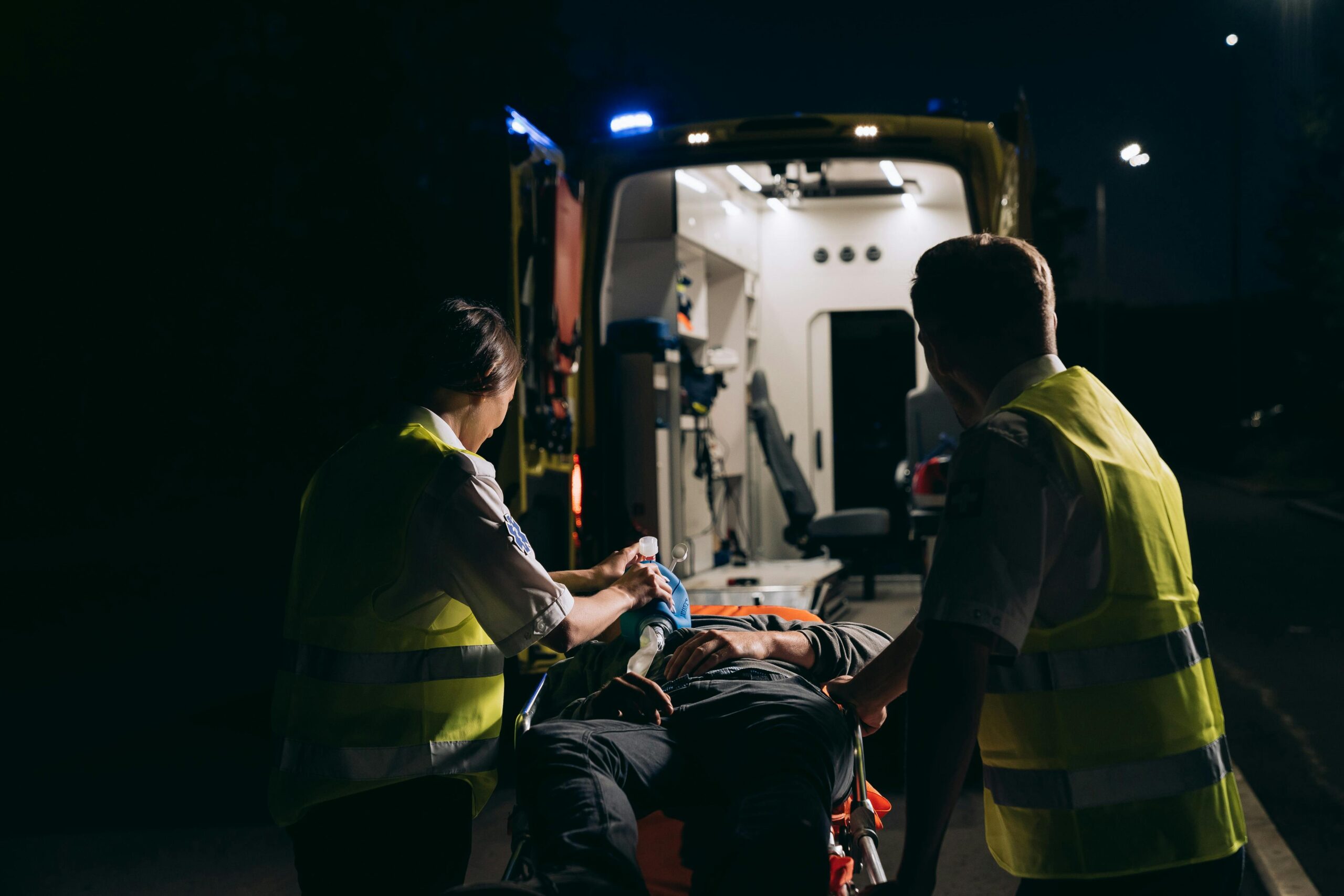
If you walked into any London emergency department on a Friday night, you’d see scenes not far from what Gianluca Cerri MD has faced for over twenty years—patients arriving in pain, staff stretched thin, and the constant need for calm leadership. His story offers lessons that reach well beyond the hospitals of the United States.
London’s NHS emergency teams face many of the same challenges as rural American hospitals: staff shortages, limited resources, and rising mental-health and addiction cases. Cerri’s work in smaller, rural emergency departments shows how resilience, teamwork and practical systems can turn pressure into performance. “It doesn’t matter whether you’re in Louisiana or London,” he says. “The heartbeat of good care is the same—focus on the person in front of you and make the best call with what you have.”
His approach—structured, humble and deeply human—has made him a respected figure in emergency medicine. For London clinicians and health leaders searching for ways to balance compassion with capacity, his journey is full of practical wisdom.
From Milan to Medicine
Born in Milan, Italy, Cerri grew up fascinated by science and service. He moved to the United States to study at Nicholls State University, earning a degree in biology with a minor in chemistry, graduating Magna Cum Laude. From there, he pursued medicine at Louisiana State University, completing both his internal medicine residency and serving as Chief Resident.
Those years shaped his leadership style. “Being Chief Resident taught me how to guide under pressure,” he recalls. “You can’t lead from fear. You lead by example and by keeping people focused on the mission.”
Afterwards, he specialised further, completing an emergency medicine residency at the University of Massachusetts Medical School.
Building a Career in Emergency Rooms
Cerri’s work has taken him into almost every corner of emergency medicine—flight physician, AEMS director, expert witness, and clinical assistant professor. Yet, he never lost sight of the patient. “Titles are fine,” he says, “but the goal is simple: when someone is scared, you show up and do your job.”
His calm, precise approach earned him awards such as the Patient Experience Award and Extraordinary Service Award. Colleagues describe him as steady even in chaos. “You can’t always save every life,” he once said, “but you can always give dignity, honesty and effort.”
Emergency Care in Rural Communities
Working in rural hospitals brought new challenges—smaller teams, fewer resources, and patients travelling long distances for care. But Cerri thrived in those environments. “In a big city, help is down the hall,” he explains. “In a rural ER, you are the help.”
These experiences resonate in places like outer London boroughs, where population growth and limited resources mirror small-town constraints. His philosophy—focus on teamwork, systems and empathy—translates easily. “You don’t need fancy tech to provide good care,” he says. “You need structure, communication and heart.”
Tackling Addiction Through Action
One of Cerri’s current missions is improving Medication-Assisted Treatment (MAT) in emergency departments. He believes the ER is not only a place to treat overdose but also a gateway to long-term recovery.
“We used to stabilise and discharge,” he explains. “Now we start treatment in the ER. That’s the real turning point.” His work shows that even brief encounters can open the door to lasting change.
This practical mindset—treating addiction as a medical issue, not a moral one—is something London’s own emergency services have been working to expand. Cerri’s experience provides a blueprint for integrating addiction care without adding extra strain on already-busy departments.
Leading by Example
Cerri has taught medicine as a Clinical Assistant Professor of Internal Medicine, but his teaching style is far from theoretical. He uses real stories from the ER to show students how medicine is both science and humanity. “I tell residents: the patient doesn’t care how much you know until they know how much you care,” he says.
He often describes leadership as the art of staying steady when everyone else feels shaken. “In an emergency room, people take their cues from you. If you panic, they panic. If you’re calm, they follow.”
The Human Side of a High-Pressure Career
Outside medicine, Cerri keeps active. He enjoys sport biking, motocross and weightlifting—outlets that build both physical and mental endurance. “Exercise is my reset button,” he says with a smile. “It reminds me that energy is something you can rebuild, even after a hard day.”
His passion for computer science in healthcare keeps him curious about how technology can support doctors and improve outcomes. But he’s quick to add, “Tech is a tool. People are the reason.”
Family remains his greatest source of strength. “They’re the ones who keep you grounded,” he explains. “After a 12-hour shift, coming home to them is the best medicine I know.”
A Model for the Future
After decades in emergency medicine, Cerri continues to focus on what drew him to the field in the first place: service, integrity, and making the next right decision. His career reflects values that every healthcare system—from the NHS to small-town hospitals—needs to protect.
“The best ideas in medicine aren’t flashy,” he says. “They’re simple ones done well—listening to patients, treating staff with respect, and learning every single day.”
For readers in London, his story shows that the principles of great care are universal. They don’t depend on postcode, policy, or politics. They depend on people like Gianluca Cerri MD, who combine skill with sincerity and prove that steady hands—and steady hearts—still make the biggest difference.
→ Our best content lives on the homepage — don’t miss it.
There is no ads to display, Please add some