
Decoding the NYC Influencer Landscape: Macro, Micro, and Nano
New York City’s dynamic energy isn’t just confined to its streets; it reverberates through its digital landscape, making it a powerful hub for influencer marketing. As a global epicenter for fashion, finance, food, and culture, NYC attracts and cultivates a diverse array of content creators. These influencers, deeply embedded in the city’s unique rhythm, offer brands an unparalleled opportunity to connect with highly engaged, localized, and trend-conscious audiences.
Understanding the different tiers of influencers is crucial for crafting an effective strategy. Each tier offers distinct advantages in terms of reach, engagement, and cost, allowing brands to tailor their approach to specific campaign goals.
Influencers in New York City can generally be grouped into three main tiers: macro, micro, and nano. Macro-influencers, with follower counts ranging from 100,000 to 500,000, typically see moderate engagement rates of about 4–7%. While their costs are high, they are best suited for broad brand awareness, large-scale campaigns, and celebrity-style endorsements. Micro-influencers, who have between 10,000 and 100,000 followers, usually achieve higher engagement rates of 8–15%. Their costs are more moderate, making them ideal for niche audience targeting, authentic storytelling, building community trust, and driving product launches. At the grassroots level, nano-influencers have 1,000 to 10,000 followers and boast very high engagement rates of 15–25% or more. They are the most cost-effective option—often collaborating in exchange for product gifting—and excel in hyper-local campaigns, grassroots marketing, and creating authentic user-generated content for highly loyal audiences.
Macro-Influencers: The Digital Billboards
Macro-influencers in NYC, typically boasting follower counts between 100,000 and 500,000, are the digital equivalent of Times Square billboards. They offer broad reach and significant impact on brand awareness. Their content often spans popular topics like fashion, lifestyle, travel, and food, capturing the attention of a wide, diverse audience across the city and beyond. Collaborating with macro-influencers is ideal for brands aiming for widespread visibility and a substantial boost in public perception. While their engagement rates might be slightly lower than their smaller counterparts, their sheer audience size ensures a powerful impression. These influencers are often seen as aspirational figures, capable of driving trends and generating considerable buzz.
Micro-Influencers: The Niche Connectors
Stepping down in follower count but often up in engagement, micro-influencers in NYC typically have between 10,000 and 100,000 followers. These creators excel at connecting with more niche, targeted audiences. Their strength lies in their perceived authenticity and the strong, trusting relationships they build with their communities. For businesses in NYC looking to reach a specific demographic or interest group – be it vegan foodies, sustainable fashion enthusiasts, or local art scene aficionados – micro-influencers offer a highly effective conduit. Their recommendations carry significant weight, often translating into higher conversion rates and deeper brand loyalty within their specific niches. They are the trusted voices within their communities, offering a more personal and relatable touch than larger-scale influencers.
Nano-Influencers: The Hyper-Local Voices
At the grassroots level, nano-influencers in NYC operate with follower counts ranging from 1,000 to 10,000. What they lack in sheer numbers, they more than make up for in hyper-local focus, loyalty, and engagement. These individuals are often deeply connected to their immediate communities, whether it’s a specific neighborhood in Brooklyn, a particular gym in Manhattan, or a local cultural scene. Their audience consists of friends, family, and highly engaged local followers who trust their opinions implicitly. For small businesses, local eateries, or community-focused brands in NYC, nano-influencers are invaluable. They can drive foot traffic, generate authentic word-of-mouth, and foster a strong sense of community around a brand, making them perfect for grassroots marketing efforts.
The Future is Now: The Role of AI-Driven Influencer Marketing
The influencer marketing landscape, especially in a environment like NYC, is constantly evolving. The sheer volume of creators, content, and data points can be overwhelming, making strategic decision-making a complex challenge. This is where artificial intelligence (AI) and advanced analytics are revolutionizing the field. We are moving beyond guesswork, leveraging data-backed strategies to ensure every campaign is precise, impactful, and delivers measurable results.
AI-driven influencer marketing allows us to move with unprecedented speed and accuracy. It enables predictive analytics, helping us anticipate content performance and audience reception. Moreover, it provides robust performance measurement capabilities, allowing for real-time campaign optimization that was once impossible. This technological leap ensures that brands can not only identify the right influencers but also understand the nuances of their audience and content, leading to truly effective campaigns.
How AI is Revolutionizing Influencer Identification and Vetting
One of the most significant contributions of AI to influencer marketing is its ability to streamline and improve the identification and vetting process. Traditionally, finding the right influencer involved extensive manual research, which was time-consuming and often prone to human bias. Now, AI algorithms can analyze vast datasets to pinpoint creators who perfectly align with a brand’s values and campaign objectives.
AI tools can dig deep into audience demographics, ensuring that an influencer’s followers truly match a brand’s target market. They can also perform sophisticated fake follower detection, safeguarding against inflated metrics and ensuring that a brand’s investment reaches genuine, engaged individuals. Beyond numbers, AI can conduct brand safety checks, analyzing an influencer’s past content for any potential controversies or misalignments that could harm a brand’s reputation. Furthermore, AI can assess an influencer’s personality and content style, ensuring a seamless value alignment with the brand’s identity. This level of granular analysis ensures that every partnership is built on a solid foundation of data and strategic fit.
Crafting Campaigns with AI-Driven Influencer Marketing Insights
AI’s role extends far beyond just finding influencers; it profoundly impacts how campaigns are crafted and executed. By analyzing historical data and current trends, AI can predict content performance, offering insights into what types of content, messaging, and formats are most likely to resonate with a specific audience. This predictive capability allows us to make data-informed decisions about creative direction, ensuring that content is not only engaging but also strategically optimized for maximum impact.
AI also facilitates sophisticated A/B testing of creative elements, allowing brands to refine their messaging and visuals in real-time. This iterative process, guided by AI insights, leads to continuous improvement and higher campaign effectiveness. For example, platforms that leverage Open Influence AI influencer marketing provide advanced analytics to optimize campaigns, offering a powerful suite of tools for everything from influencer findy to performance tracking and competitive analysis. These platforms can even analyze competitors’ influencer spending, creator volume, and top-performing content trends, giving brands a significant strategic advantage in the crowded NYC market.
Measuring What Matters: Calculating ROI for NYC Campaigns
In the competitive landscape of NYC, simply running an influencer campaign isn’t enough; demonstrating its value and proving a tangible return on investment (ROI) is paramount. We understand that every marketing dollar must work hard, and measuring what matters ensures that your influencer marketing efforts contribute directly to your business objectives. Establishing clear Key Performance Indicators (KPIs) from the outset is the foundation of effective measurement.
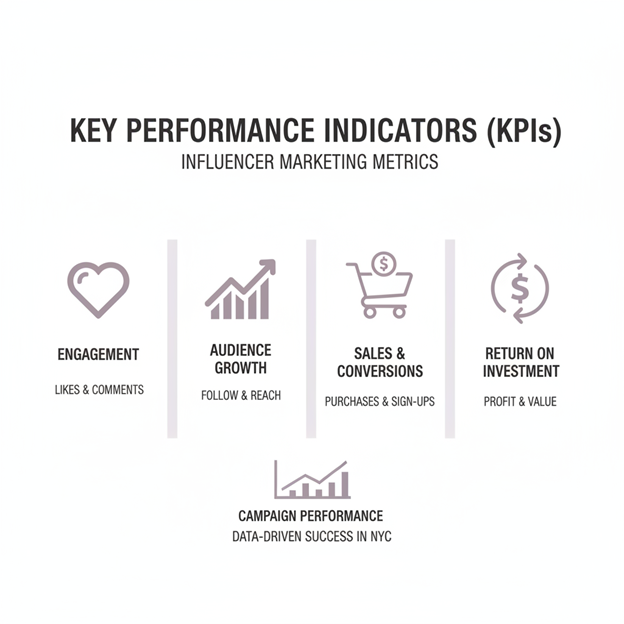
Beyond vanity metrics like likes, we focus on deeper indicators such as engagement rate, conversion tracking, and brand lift studies. For e-commerce brands, Return on Ad Spend (ROAS) is a critical metric, directly correlating campaign spend with revenue generated. Attribution models help us understand which touchpoints along the customer journey, including influencer content, are driving conversions. This comprehensive approach ensures that we can accurately assess the impact of your campaigns and continuously optimize for better results.
Essential Metrics to Track
To truly understand the effectiveness of an influencer marketing campaign in NYC, a holistic view of metrics is essential. We track a range of KPIs that provide both quantitative and qualitative insights:
- Impressions and Reach: These foundational metrics tell us how many times your content was displayed and the total number of unique individuals who saw it. While not direct indicators of conversion, they are crucial for understanding brand visibility and awareness.
- Engagement Rate: This is a vital metric that goes beyond follower count. It measures the level of interaction an audience has with the content (likes, comments, shares, saves) relative to the influencer’s reach. A high engagement rate indicates an active and loyal audience, which is often more valuable than sheer numbers.
- Click-Through Rate (CTR): For campaigns designed to drive traffic to a website or landing page, CTR measures the percentage of people who clicked on a call-to-action link. This directly reflects the effectiveness of the influencer’s ability to prompt action.
- Cost Per Acquisition (CPA): This metric calculates the cost of acquiring a new customer through the influencer campaign. By dividing the total campaign cost by the number of new customers, brands can assess the efficiency of their influencer marketing spend.
- Sentiment Analysis: Beyond quantitative data, understanding the sentiment around your brand and campaign is crucial. AI-powered tools can analyze comments and mentions to gauge public perception, identifying whether the feedback is positive, negative, or neutral. This qualitative insight helps in understanding brand perception and refining messaging.
Tools and Technologies for Measurement
Accurate measurement relies on robust tools and technologies that can capture and analyze data across various platforms. We leverage a combination of strategies to ensure comprehensive tracking:
- UTM Parameters: These are custom tags added to URLs that allow analytics tools to track where website traffic comes from. By assigning unique UTM parameters to each influencer’s links, we can precisely attribute website visits and conversions to specific creators.
- Unique Discount Codes: Providing influencers with unique discount codes for their audience is a direct and effective way to track sales generated by their content. This allows for clear attribution of purchases and helps calculate ROAS.
- Influencer Marketing Platforms: Dedicated platforms offer integrated solutions for managing campaigns, tracking performance, and generating detailed reports. These platforms often provide dashboards that consolidate data from various social media channels, making it easier to monitor KPIs in real-time.
- Social Listening Tools: These tools monitor social media conversations for mentions of your brand, campaigns, and relevant keywords. They are invaluable for sentiment analysis, identifying emerging trends, and understanding the broader impact of an influencer campaign beyond direct conversions.
By carefully tracking these metrics and utilizing advanced tools, we can provide clear, actionable insights into the ROI of your NYC influencer marketing campaigns, ensuring that your investment yields tangible business growth.
Navigating the Maze: Content, Contracts, and Compliance
Executing a successful influencer marketing campaign in New York City involves more than just identifying the right creators; it requires meticulous attention to content creation, clear contractual agreements, and strict adherence to legal compliance. These three pillars ensure that campaigns are not only effective but also ethical and sustainable.
Crafting Authentic, Localized Content
New Yorkers are discerning, and generic content simply won’t cut it. To truly resonate, influencer content must feel authentic and deeply localized. This means going beyond simple product placements and integrating the brand narrative seamlessly into the fabric of NYC life.
- Leveraging NYC Landmarks: Imagine a fashion influencer showcasing a new collection against the backdrop of the Brooklyn Bridge or a food influencer reviewing a new dish in a busy West Village eatery. Utilizing iconic NYC landmarks and hidden gems adds an immediate layer of authenticity and local appeal.
- Tapping into Local Events and Culture: NYC is a city of constant events, from fashion weeks and film festivals to neighborhood-specific street fairs and cultural celebrations. Aligning campaigns with these moments can create highly relevant and timely content that captures the city’s pulse.
- Embracing Cultural Nuances: The city is a melting pot of cultures. Understanding and respectfully incorporating these nuances into content can foster deeper connections with diverse audiences. This might involve celebrating specific cultural holidays, featuring local artists, or highlighting community initiatives.
- Storytelling: At its heart, influencer marketing is about storytelling. Brands should collaborate with influencers to craft narratives that genuinely reflect their experiences in NYC while subtly integrating the product or service. This approach makes the content feel less like an advertisement and more like a trusted recommendation.
- Co-creating Content: The most effective campaigns often involve a collaborative approach where brands provide guidelines, but influencers are given creative freedom to interpret the brief in their unique voice. This co-creation process ensures that the content remains authentic to the influencer’s style, which is key to maintaining audience trust.
The Importance of Clear Contracts and Disclosures
The legal landscape of influencer marketing is complex and constantly evolving. To protect both the brand and the influencer, clear and comprehensive contracts are non-negotiable. Equally important is strict adherence to regulatory guidelines, particularly those set by the Federal Trade Commission (FTC) in the United States.
Key elements that must be addressed in influencer contracts include:
- Content Ownership and Usage Rights: Clearly define who owns the created content and how the brand can repurpose it across its own channels (e.g., website, social media ads, print). This prevents future disputes over intellectual property.
- Exclusivity Clauses: Specify any exclusivity requirements, such as whether the influencer can work with competing brands for a certain period. This protects the brand’s investment and ensures undivided attention.
- Payment Terms: Detail the compensation structure, including payment schedules, deliverables, and any performance-based bonuses. Transparency here is crucial for a smooth partnership.
- Deliverables and Deadlines: Clearly outline the number and type of posts, stories, videos, or other content formats required, along with specific deadlines for submission and publication.
- FTC Disclosure Requirements: This is perhaps the most critical aspect of legal compliance. The FTC mandates that influencers clearly and conspicuously disclose any material connection to a brand. This means using hashtags like #ad, #sponsored, or #partner prominently in posts. Failure to comply can result in significant fines and reputational damage for both the influencer and the brand. Agencies play a crucial role in educating both parties and ensuring these disclosures are correctly implemented.
By carefully navigating these aspects, brands can build strong, transparent, and legally sound partnerships with influencers in NYC, safeguarding their reputation and maximizing campaign effectiveness.
Frequently Asked Questions about Influencer Marketing in NYC
Navigating the unique characteristics of influencer marketing in New York City often brings up several common questions. We aim to provide clear, concise answers to help brands make informed decisions.
What makes influencer marketing in NYC unique?
New York City’s status as a global hub for fashion, finance, technology, and culture creates a dense, diverse, and trend-setting influencer ecosystem unlike any other. The sheer concentration of talent, media houses, and iconic locations means that NYC influencers often have a significant impact on national and global trends. This environment demands timely, relevant, and hyper-local content to cut through the noise. Moreover, the city’s diverse demographics mean that brands can find highly specialized niche influencers catering to virtually any interest or community, offering unparalleled targeting opportunities. The nature of NYC also means trends emerge and evolve rapidly, requiring agile and responsive influencer strategies.
How much does an influencer campaign in NYC cost?
The cost of an influencer campaign in NYC can vary widely, influenced by several factors including the influencer’s tier (nano, micro, macro), their specific niche, the scope and duration of the campaign, the complexity of content creation, and any agency fees.
- Nano-influencers (1K-10K followers): Often work for product gifting, affiliate commissions, or a few hundred dollars per post ($30-$3,000 for campaigns).
- Micro-influencers (10K-100K followers): Typically charge between $300 to $1,500 per post, with campaign costs ranging from $1,500 to $15,000 depending on deliverables.
- Macro-influencers (100K-500K followers): Can command thousands of dollars per post, with campaign costs potentially ranging from $15,000 to $75,000 or more.
- Mega-influencers/Celebrities (500K+ followers): Costs can run into tens or hundreds of thousands of dollars for a single campaign.
Agency fees, content usage rights, and paid media amplification can also add to the overall budget. It’s crucial to define your objectives and budget clearly to find the right influencer fit.
How do I ensure my campaign resonates with New Yorkers?
To ensure your campaign genuinely resonates with the discerning audience in New York City, authenticity and localization are key.
- Collaborate with Local Influencers: Partner with creators who genuinely live in, love, and understand NYC. Their content will naturally reflect local insights, slang, and experiences that outsiders might miss.
- Leverage NYC-Specific Events and Locations: Integrate your brand into the city’s vibrant calendar of events (e.g., Fashion Week, NYC Restaurant Week, local festivals) or use iconic (or even lesser-known but beloved) NYC landmarks as backdrops.
- Focus on Cultural Relevance: Understand the diverse subcultures and communities within NYC. Tailor your messaging to speak directly to these groups, reflecting their values and interests.
- Tell Authentic Stories: New Yorkers appreciate genuine narratives. Encourage influencers to share personal stories related to your brand within an NYC context, rather than just delivering a sales pitch.
- Use Hyper-Local Targeting: For brick-and-mortar businesses or neighborhood-specific services, focus on nano-influencers within those precise areas to drive highly targeted engagement and foot traffic.
By embracing the city’s unique character and working with creators who embody its spirit, you can craft campaigns that truly connect with New Yorkers.
Conclusion: Your Blueprint for Going Viral in NYC
Influencer marketing in New York City is a powerful, nuanced, and changing strategy for brands seeking to make a significant impact. We’ve explored how understanding the diverse landscape of macro, micro, and nano-influencers is crucial for targeted reach and authentic engagement. We’ve also digd into the transformative role of AI-driven analytics, which provides unparalleled precision in influencer identification, content optimization, and competitive analysis, ensuring that every campaign is built on data-backed insights.
Measuring ROI effectively, through a combination of essential metrics and advanced tracking tools, is no longer optional but a necessity for demonstrating tangible business growth. Furthermore, navigating the complexities of content creation, clear contractual agreements, and strict legal compliance safeguards your brand and fosters trustworthy partnerships.
As the digital world continues its rapid expansion, the importance of genuine connection and authentic voices will only grow. For brands looking to thrive in NYC’s competitive market, embracing a strategic, data-informed, and compliant approach to influencer marketing is not just an advantage—it’s a blueprint for going viral and building lasting relationships with a truly unique audience. The shift to a “social-first” mentality is here, and with the right strategy, your brand can harness the immense power of NYC’s influencer ecosystem.
→ This is just the start — read more on PriceofBusiness.com.
There is no ads to display, Please add some