

Graphene, a material thinner than paper, stronger than steel and more conductive than copper, has long been hailed as a “wonder material.” For much of its history, though, scientists have struggled to scale graphene production in a consistent, high-quality, and commercially viable manner. Now, a company led by Kjirstin Breure aims to change that.
The company is HydroGraph Clean Power Inc., and Breure serves as its President and CEO. Under her leadership, the firm has developed a method to manufacture graphene at an industrial scale, a long-awaited breakthrough that could finally bring graphene’s promise to everyday industries.
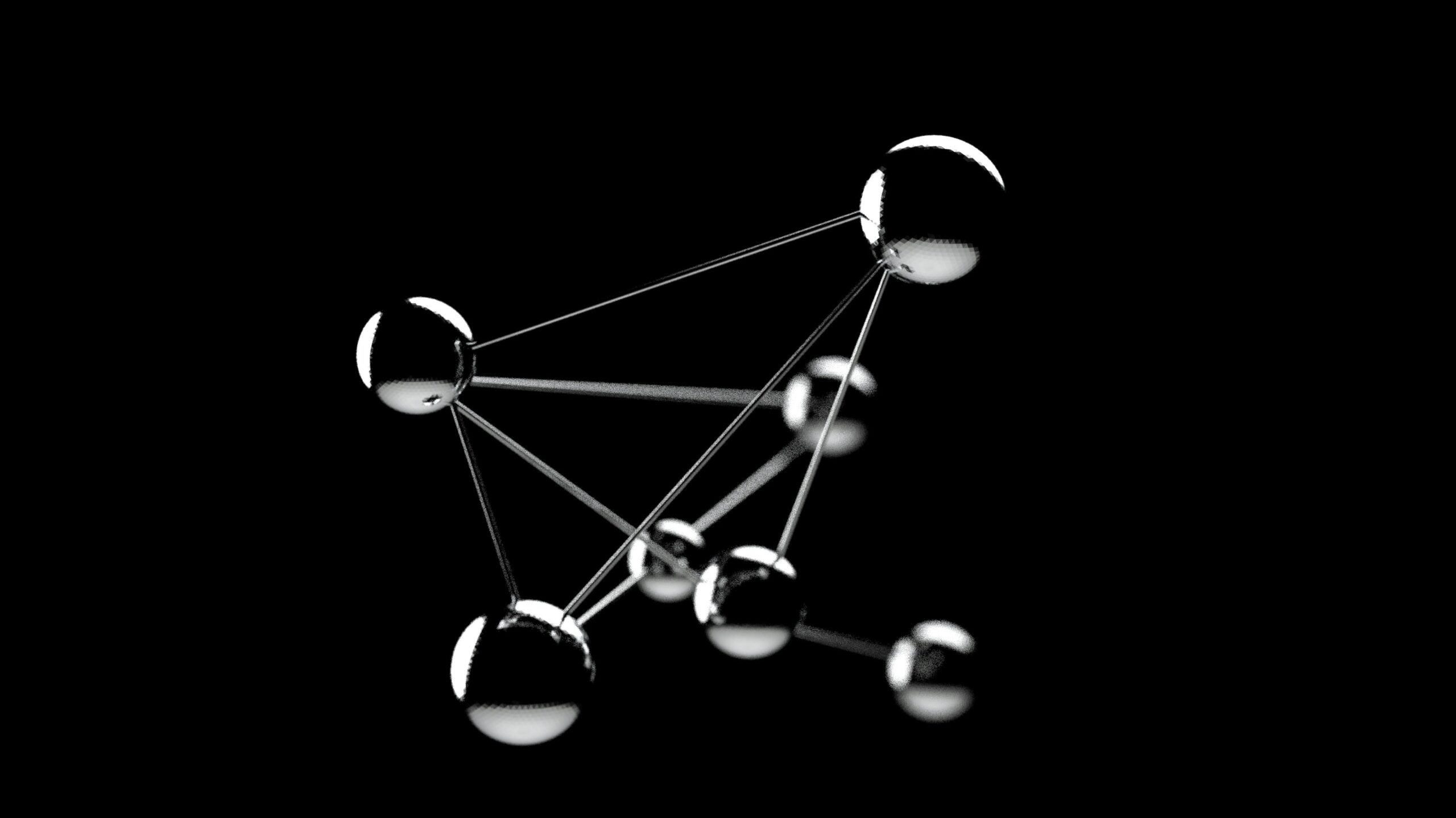
Graphene is a single layer of carbon atoms arranged in a precise hexagonal lattice. That unique structure gives it remarkable properties: extreme strength, flexibility, light weight, high electrical and thermal conductivity. In short, it’s a material that seems to combine the best traits of steel, copper and silicon.
For decades, researchers explored graphene in labs, imagining its use in everything from flexible electronics and ultra-efficient batteries to advanced composites and water-purification membranes.
Still, moving from tiny lab samples to large-scale production proved far more difficult. Many past methods yielded inconsistent quality or required harsh chemicals and high temperatures. That lack of consistency kept graphene locked in the lab, not in everyday manufacturing.
HydroGraph changed that dynamic using a patented system known as the Hyperion Detonation Process. The company fills a sealed chamber with a carbon-rich gas and oxygen, then triggers a controlled detonation. The resulting shock transforms the gases into graphene, with purity and consistency often unmatched by older methods.
“Working with a technology that benefits the environment as much as it drives innovation is incredibly fulfilling, “ says Breure.
Compared with conventional graphene, HydroGraph’s “reactive” graphene carries a special surface layer that lets it bond with other materials — plastics, resins, metals — at a molecular level. That makes it far more versatile.
This versatility has real-world implications in various sectors. Graphene can strengthen composite materials, make coatings more durable, enhance battery performance, accelerate charging, and even enable flexible electronics or sturdier building materials — all while using less material overall.
In a recent milestone, HydroGraph was granted a U.S. patent for a novel device utilizing its graphene, a type of actuator that generates motion by conducting electricity and expanding air within a porous graphene structure. The company believes this could reveal a new generation of electrically powered devices, with applications ranging from robotics to energy management.
The market potential is vast. As industries from aerospace to construction, energy storage to consumer electronics seek lighter, stronger, more efficient materials, graphene could provide a foundational building block. The company expects the 2020s to be “the boom decade for graphene.”
“For a long time, graphene’s promise felt out of reach,” says Breure. “Now we are finally producing it at scale with purity and consistency. The potential feels unlimited, both in the markets we can tap into as well as the opportunity to improve the world around us.”
That belief reflects a quiet but growing change in manufacturing and materials science. Graphene is no longer a lab curiosity but a real material ready for industrial deployment. As HydroGraph ramps up production and begins to partner with manufacturers, common products of the future might be lighter, stronger, cheaper, and more energy-efficient, all thanks to a single-atom-thin sheet of carbon.
Only a few years ago, that may have seemed like science fiction. Today, under Breure’s leadership, it feels like the start of a materials revolution.
→ Discover more business news at our homepage.
There is no ads to display, Please add some