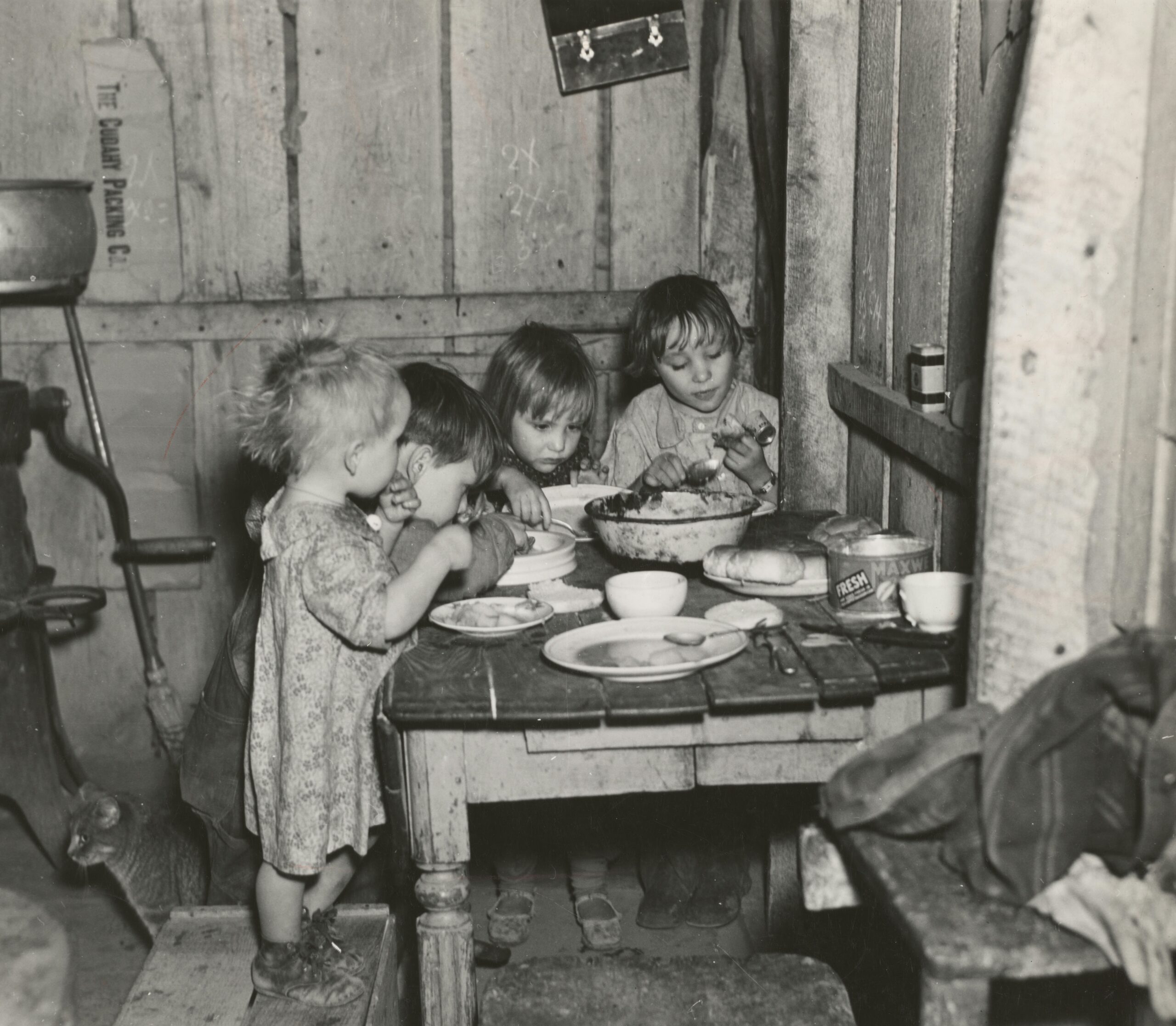

When we think about financial hardship, we often focus on adults juggling bills and debts. But what’s less talked about is how money struggles during childhood can shape a person’s entire life. Growing up in a household with financial challenges doesn’t just mean fewer toys or missed vacations. It affects mental health physical well-being and social development in ways that last long after the money situation improves. Whether or not someone later pursues debt relief California programs or improves their finances, those early experiences leave a lasting imprint.
Understanding the full impact of childhood financial hardship can help us support individuals better and break the cycle of struggle. It also sheds light on why some people might face emotional or health challenges even if their current finances are stable.
Mental Health Effects That Linger
Kids who grow up in financially stressful environments often carry emotional scars into adulthood. Worrying about money, seeing parents stressed, or experiencing instability can lead to anxiety, depression, and low self-esteem. These feelings don’t always disappear once the family’s income improves.
Research shows that early exposure to financial hardship rewires how the brain processes stress. This means adults who faced money struggles as children might react more intensely to stress or have difficulty managing emotions. It’s not about weakness—it’s about how early experiences shape coping mechanisms. Recognizing this can make a big difference in how we approach mental health support for those affected.
Physical Health and Development
Financial hardship in childhood also impacts physical health in surprising ways. Limited access to nutritious food, safe housing, and healthcare can stunt growth or lead to chronic conditions. But the effects don’t stop there. The ongoing stress from financial instability influences the immune system and can increase the risk of heart disease, obesity, and other health issues later in life.
Even when kids eventually live in stable environments, the early damage to their physical development can persist. That’s why some health problems seen in adults today might trace back to the hardships they faced decades ago.
Social and Educational Challenges
Growing up with financial hardship can also affect social skills and educational outcomes. Children in low income families often have fewer opportunities for enrichment activities like music lessons, sports, or summer camps. They might change schools more often due to housing instability, which disrupts friendships and learning.
The stress of financial insecurity can make it harder to focus in school or participate fully in social settings. This can lead to lower academic achievement and feelings of isolation. Even if financial conditions improve later, the gap created during these critical years may be difficult to close.
Breaking the Cycle Through Awareness
Knowing how childhood financial hardship influences adult life helps us think differently about solutions. Debt relief California programs and other financial supports are valuable for easing money worries today. But addressing the lingering effects of early hardship means also providing mental health care, social support, and educational opportunities.
Programs that combine financial coaching with counseling or community engagement can help people heal on multiple levels. Supporting resilience and self confidence alongside finances empowers individuals to create healthier futures.
The Role of Family and Community
Family and community environments play a huge role in buffering or worsening the impact of financial hardship. Loving supportive relationships can protect children from some negative effects by providing emotional security. On the other hand, families under constant money pressure might struggle to provide that stability, unintentionally passing stress down.
Communities that offer safe spaces, mentoring programs, and accessible health and educational resources can also reduce the lasting damage of poverty. These networks help children and adults build skills and connections that offset early disadvantages.
Moving Forward With Compassion
If you or someone you know is dealing with the echoes of childhood financial hardship, it’s important to remember that these challenges are not personal failures. They are real impacts of circumstances that shaped development in powerful ways. Compassionate understanding makes it easier to seek help and build new habits.
Financial recovery is a piece of the puzzle, but emotional healing and social support are equally crucial. Combining these elements creates a foundation for long term well-being and breaks the chain that links childhood struggles to adult hardships.
Final Thoughts
Financial hardship in childhood is more than just a temporary situation—it’s an experience that shapes mental, physical, and social health far into adulthood. Even when financial circumstances improve, the effects can linger, influencing how people think, feel, and connect with others. Recognizing this helps us approach debt relief and support services with a fuller picture, addressing not just money but the whole person. By doing so, we can help more people build resilient, healthy lives that rise above their early challenges.
→ Learn more from our experts on the home page.
There is no ads to display, Please add some