
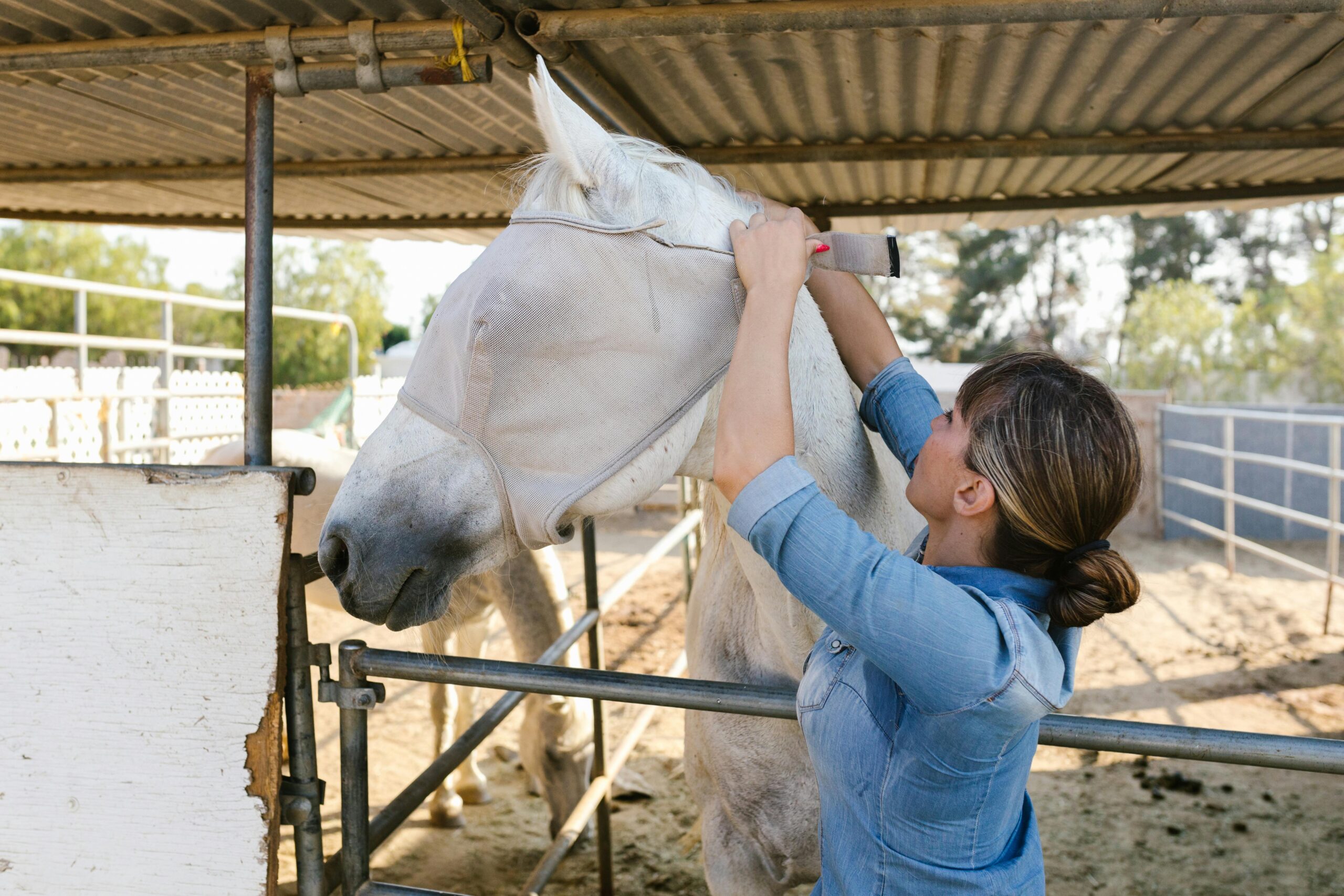

When it comes to caring for your horse, one of the most essential accessories you can invest in is a horse fly mask. These masks serve as an important protective tool for horses, helping to shield them from bothersome insects, such as flies, mosquitoes, and midges. Additionally, horse fly masks can help prevent irritation, reduce the risk of eye infections, and ensure your horse remains comfortable during warmer months when insects are most prevalent. However, selecting the right mask for your horse can be a bit of a challenge due to the wide variety of options available. In this guide, we’ll explore key considerations and tips for choosing the best horse fly mask for your horse’s specific needs.
Understanding the Importance of Horse Fly Masks
Before delving into the tips for choosing the right horse fly mask, it’s important to understand why these masks are such an essential part of your horse’s care. Horses are highly sensitive to flies and other insects, which can cause distress and lead to health problems. For example, flies around the eyes can cause your horse to squint, rub their eyes, or even suffer from painful eye conditions. Horse fly masks are designed to prevent these issues by offering a physical barrier between your horse’s sensitive areas and the insects.
Furthermore, fly masks can protect other areas of your horse’s body, such as the ears, face, and muzzle, which are particularly vulnerable to insect bites. By providing protection from flies, horse fly masks also help reduce the risk of allergic reactions and infections that can arise from excessive insect bites.
Different Types of Horse Fly Masks
Horse fly masks come in a range of styles, materials, and features. Understanding the various types will help you make an informed decision about which mask is best suited to your horse’s specific needs. Some of the most common types include:
Standard Fly Masks
The most common type of fly mask, standard masks usually cover the horse’s eyes and face. They are often made from lightweight mesh material that allows air to flow freely while still providing protection against insects. Standard fly masks are suitable for most horses and offer basic protection against flies and other bugs.
Full-Face Fly Masks
Full-face masks provide complete coverage of the horse’s face, including the ears and muzzle. These masks are especially useful for horses that are particularly sensitive to insects or prone to eye infections. Full-face fly masks often have a longer neck cover that provides additional protection for the horse’s neck and shoulders.
Fly Masks with Ears
Some horses are especially sensitive to flies around their ears. In such cases, choosing a fly mask with ear coverage can be a great option. These masks feature a mesh covering that extends over the ears, providing additional comfort and protection.
Fly Masks with UV Protection
In addition to insect protection, some fly masks offer UV protection. These masks are made from special fabrics that block harmful UV rays, helping to protect your horse’s skin and eyes from the sun’s damaging effects. UV-protective masks are a great option for horses with lighter-colored coats or horses that spend long periods outdoors.
Key Factors to Consider When Choosing a Horse Fly Mask
When shopping for a horse fly mask, there are several factors to consider to ensure you select the right one for your horse. Let’s explore the most important aspects to keep in mind.
1. Size and Fit
One of the most important considerations when choosing a horse fly mask is finding the right size and fit. A poorly fitting mask can be uncomfortable for your horse and may not offer the necessary protection. A mask that’s too tight can cause irritation or restrict airflow, while a mask that’s too loose may shift or come off entirely.
To determine the correct size for your horse, you’ll need to measure their head. Most fly masks are available in various sizes, ranging from small to extra-large, with adjustable straps to help achieve a secure fit. Look for a mask that fits snugly around the eyes, ears, and jaw while leaving enough room for comfort and movement.
2. Material and Durability
Horse fly masks are typically made from lightweight mesh fabrics that provide protection against insects while allowing for breathability. When selecting a mask, look for one made from durable, high-quality materials that can withstand frequent use and outdoor elements.
Some masks are made from nylon or polyester, which are strong and resistant to tearing. Others may feature reinforced stitching or additional layers of fabric for extra durability. Depending on how often your horse will wear the mask and the environment they live in, you may want to choose a more durable material to ensure the mask lasts longer.
3. Comfort Features
Comfort is key when selecting a horse fly mask. A mask that rubs or chafes against your horse’s skin can lead to irritation, discomfort, or even sores. Look for masks with soft, fleece-lined edges or padding around the areas that come into contact with your horse’s skin. These additional comfort features will help reduce the risk of rubbing or chafing.
Some masks also feature elastic straps or adjustable Velcro closures to ensure a better fit. These can be particularly helpful if your horse has a unique head shape or if you’re looking for a mask that can be easily adjusted.
4. Breathability and Ventilation
Since horse fly masks are typically worn for extended periods, it’s essential to choose a mask that allows for proper airflow and ventilation. A breathable mask will help prevent your horse from overheating, especially during warmer weather. Many fly masks are made from mesh materials that provide excellent breathability while keeping insects out.
Look for a fly mask that is designed to maximize airflow, especially around the eyes and face. Some masks even feature extra ventilation panels or breathable mesh fabric on the sides and back of the mask to promote airflow and reduce the risk of heat buildup.
5. Visibility
When selecting a fly mask for your horse, you’ll want to ensure that it doesn’t obstruct their vision. A mask that restricts your horse’s ability to see clearly can cause confusion and anxiety. Look for a mask with a design that allows for maximum visibility while still offering protection.
Some masks are equipped with clear panels or have mesh fabric around the eyes that offer visibility without compromising on insect protection. It’s essential to choose a mask that doesn’t impair your horse’s ability to navigate their environment, especially if they are in a pasture with other horses or obstacles.
6. Weather Resistance
While most horse fly masks are designed to withstand outdoor conditions, it’s important to consider the specific weather conditions your horse will be exposed to. If your horse spends a lot of time in rainy or damp conditions, you may want to opt for a waterproof fly mask that resists water and keeps the horse dry.
In addition, masks with UV protection are ideal for horses that are regularly exposed to sunlight. The added UV protection helps prevent sunburn and damage to the skin and eyes, which is especially beneficial for horses with lighter coats or sensitive skin.
7. Ease of Cleaning
Since fly masks can become soiled after frequent use, it’s important to choose one that is easy to clean and maintain. Many fly masks are machine washable, but be sure to check the care instructions before purchasing. Some masks may require hand washing, while others are more durable and can withstand regular machine cleaning.
Choose a mask that is resistant to dirt and stains, or consider a design that has removable parts, such as a detachable nose cover, to make cleaning easier.
Conclusion
Choosing the right horse fly mask is essential to keeping your horse comfortable, healthy, and protected from insects. By considering factors such as size, material, durability, comfort, ventilation, visibility, weather resistance, and ease of cleaning, you can ensure that you select the best fly mask for your horse’s unique needs.
Every horse is different, so it’s important to pay attention to their individual characteristics, behavior, and environment when making your decision. Whether you opt for a standard fly mask, a full-face mask, or one with additional features such as UV protection, your horse’s comfort and well-being should always be your top priority.
By following these tips and carefully selecting the best horse fly mask, you’ll provide your horse with the protection they need to stay happy, healthy, and free from the irritation of insects.
There is no ads to display, Please add some



