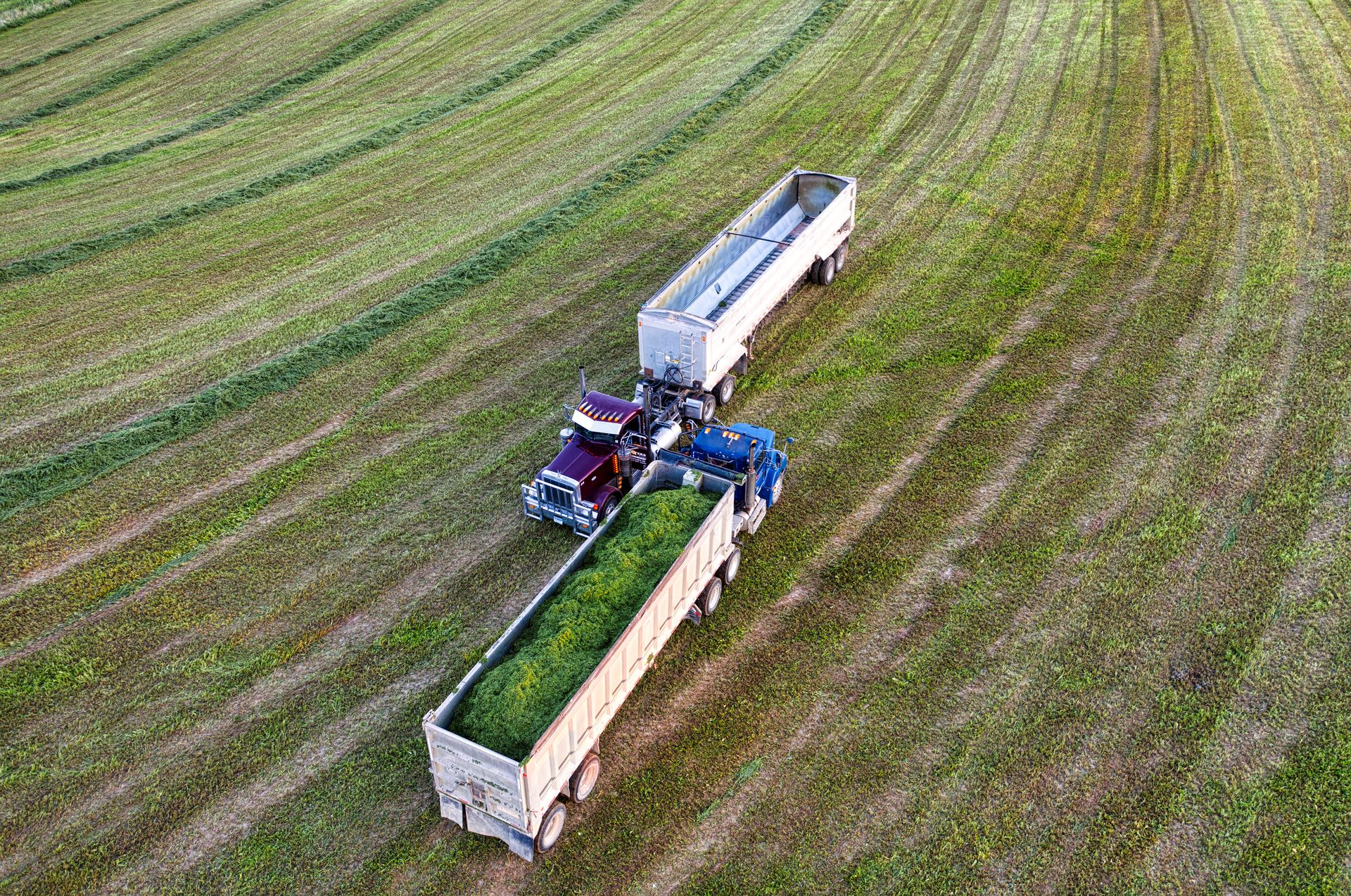

Farming requires a lot of patience, skill, and hard work. You spend months nurturing crops, managing soil health, and praying for the right amount of rain. But once the harvest is finally pulled from the earth, the job still isn’t finished. Getting that yield from the field to the processing plant or grain elevator is a critical step, and it’s a phase where a lot of things can go terribly wrong. Protecting your cargo during transit is just as important as growing it in the first place. Whether you’re hauling corn, soybeans, or delicate produce, the open road presents a host of threats that can quickly ruin your bottom line. Investing in a reliable trailer tarp system is one of the smartest ways to safeguard your hard work. Let’s look at why agricultural operations need to take cargo protection seriously and how it directly impacts the success of your business.
The Threat of Unpredictable Weather
You might load up your trucks under a clear blue sky, only to drive straight into a sudden downpour ten miles down the highway. For agricultural commodities, moisture is a fast and silent killer. If a load of grain gets wet, the quality degrades rapidly. Excess moisture causes mold, mildew, and rot, which can render an entire shipment completely worthless by the time it reaches the buyer.
Wind is another serious concern. Driving at highway speeds creates a constant draft across the top of an open trailer. If your cargo isn’t secured, that wind will easily scoop up top layers of grain, seed, or loose forage. It might not look like much flying out the back in the rearview mirror, but those lost bushels add up over a long trip. Protecting your haul from the elements ensures that the volume and quality of the product you loaded are exactly what you deliver to the scales.
Keeping Pests and Contaminants Out
Buyers have strict standards when it comes to the purity of a load. When you transport crops in an uncovered or poorly secured trailer, you’re essentially offering a free buffet to local wildlife. Birds, insects, and rodents are quick to target exposed agricultural goods. If a buyer finds evidence of pests in your shipment, they’ll likely reject the entire load to prevent contaminating their own storage facilities.
Beyond living pests, the road itself kicks up a lot of unwanted debris. Dust, exhaust particles, gravel, and stray trash can easily blow into an open trailer. A load of soybeans mixed with highway gravel isn’t going to fetch top dollar, and you’ll likely face steep docking fees or a total rejection at the delivery point. Proper cargo protection acts as a reliable shield, locking out bugs and dirt so your harvest stays pristine from the farm to the facility.
Stopping Spillage and Protecting the Public
Losing part of your yield on the road hurts your profit margins, but it also creates a significant safety hazard for other drivers. Spilled grain or produce can make roads surprisingly slick, leading to traffic accidents. If a following vehicle gets damaged by debris flying out of your truck, your farm could be held liable for the repair costs and any resulting injuries.
Law enforcement also takes unsecured loads seriously. If a state trooper notices product spilling from your trailer, you’ll get pulled over and slapped with a hefty fine. You also lose valuable time sitting on the side of the highway dealing with the ticket, which throws off your delivery schedule. Taking the time to properly cover and secure your loads keeps you on the right side of the law, protects your fellow motorists, and prevents unnecessary financial penalties.
Preserving Your Profit Margins
Farming operates on thin margins, and every single bushel matters. When cargo gets damaged by rain, blown away by the wind, or rejected due to contamination, you don’t just lose the product itself. You also lose the time, fuel, and labor you spent growing, harvesting, and transporting it. There’s no way to recoup those sunk costs.
If a portion of your load is compromised, buyers will downgrade the quality rating. A lower rating means a lower payout. By ensuring your cargo is fully protected, you guarantee that you get the best possible price for the highest possible yield. It’s a simple preventative measure that guards your revenue stream against entirely avoidable losses.
Building Trust with Buyers and Partners
The agricultural industry relies on reputation and long-term relationships. Grain elevators, processing plants, and direct buyers want to work with farmers they can trust. If you consistently show up with protected, high-quality loads, buyers take notice. They know you care about your product and run a professional operation.
On the flip side, if your trucks frequently arrive with wet, contaminated, or partially spilled loads, buyers will quickly lose patience. They don’t want the headache of dealing with compromised goods. Word travels fast in farming communities, and a reputation for sloppy transport will make it harder to secure good contracts in the future. Protecting your cargo is an easy way to show your partners that you value quality control just as much as they do.
The Final Stretch
The journey from the field to the final destination is the last hurdle of the agricultural season. After months of hard work, you shouldn’t let a sudden rainstorm or a bumpy highway undermine your success. Protecting your haul isn’t just an optional step; it’s a fundamental part of running a profitable, respected farming operation. By keeping the elements out, preventing spillage, and ensuring top-tier quality upon delivery, you secure your reputation and your bottom line. Take the time to evaluate how you move your crops and invest in the right protective measures. Your future harvests will be much better off for it.
→ More stories like this await on PriceofBusiness.com.
There is no ads to display, Please add some