

Most pest problems do not start with an invasion. They start with something small and easy to overlook: a gap under a door, a bag of flour left open, a drip under the sink that nobody gets around to fixing. Pests are not looking for trouble. They are looking for food, water, warmth, and a quiet place to settle. When a home offers all four, something eventually moves in.
The good news is that the same logic works in reverse. Take away the conditions pests depend on, and your home becomes a much harder place for them to live. Most of the work is simple, cheap, and something you can do on an ordinary weekend. What follows is a practical way to think about the whole property, from the back fence to the kitchen cupboard.
Why Outdoor Spaces Need Their Own Attention
The ground just outside your walls has more influence on what happens indoors than most homeowners realize. Mosquitoes breed in small pockets of standing water, while ticks wait in tall grass along fences and garden beds, and both can turn a pleasant yard into a place nobody wants to sit.
Treating the yard directly, instead of reacting to bites after they happen, is what keeps those populations down through the warm months. Homeowners who want steady relief usually hire a company that provides mosquito and tick control services so treatments land before the population reaches its peak.
Close the Gaps Pests Use to Get Inside
Almost everything that ends up indoors came in through an opening somebody forgot about. Walk the outside of your house slowly and look low. Check where pipes and cables pass through the wall, where the siding meets the foundation, and where the garage door sits against the concrete. A mouse needs a gap no wider than a pencil. Insects need far less.
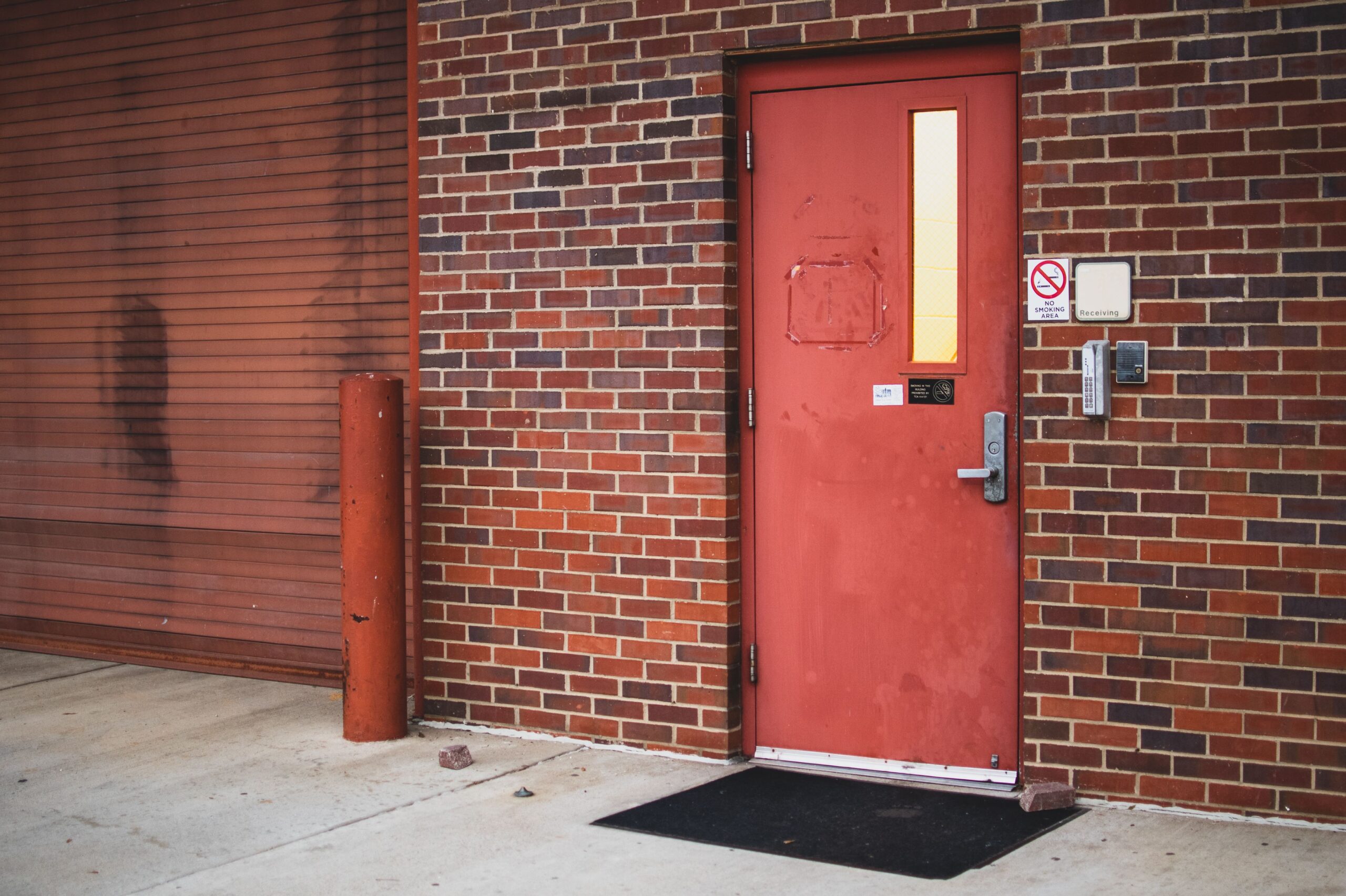
Doors and windows deserve the same attention. Worn weatherstripping, a torn screen, or a door that no longer sits flush in its frame is an open invitation. Replace the stripping, patch the screens, and fit door sweeps where there is daylight showing underneath.
Moisture Is Behind More Infestations Than Food
Many homeowners focus entirely on crumbs and miss the bigger draw. Water is what most pests are really after, and a home with a moisture problem will keep attracting them no matter how clean the kitchen is.
Start with the obvious leaks. A slow drip under a sink, a running toilet, or a loose connection behind the washing machine keeps a small area permanently damp, and that is enough. Fix the leak rather than mopping up after it.
Kitchen Habits That Give Pests Nothing to Work With
The kitchen is where small habits pay off fastest. Move dry goods such as cereal, rice, flour, pet food, and sugar into containers with tight lids. Cardboard and paper packaging is easy for insects to get through, and pet food sitting in an open bag on the laundry room floor is one of the most common sources of a problem.
Wipe counters and sweep under the toaster and the edge of the stove, since that is where crumbs collect unnoticed. Do not let dishes sit in the sink overnight. Take the trash out before it starts to smell rather than after.
Clutter Gives Pests a Place to Settle
Stacked boxes, stored paper, old fabric, and piles of things nobody has touched in years all serve the same purpose for a pest: cover. A house can be perfectly clean and still give insects and rodents plenty of undisturbed places to nest.
Storage areas are usually the worst offenders. Garages, basements, attics, and spare rooms collect items that never get moved, and a box that has not shifted in three years is exactly the kind of place something will quietly settle in.
Landscaping Choices That Keep Activity Away From the Walls
The way your yard is arranged either pushes pests toward the house or keeps them at a distance. Tree branches that touch the roof act as a bridge. Shrubs pressed against the siding create a sheltered, humid strip right at the foundation. Trim both back so there is clear air between the plants and the building.
Firewood is another common mistake. Stacked against the house, it stays damp and provides shelter within easy reach of a wall. Store it well away from the building and raised off the ground.
Handle Waste Before It Becomes an Attraction
Garbage handling is unglamorous, and it matters enormously. Use bins with lids that close properly and stay closed. Rinse recyclables before they go into the bin, since a container with residue in it is a food source.
Keep the bins themselves away from doors and windows, and clean them out occasionally rather than never. If you compost, keep the pile well away from the house, turn it regularly, and avoid adding meat or oily food scraps.
Knowing When the Problem Needs a Professional
Homeowner effort covers a great deal, but it has limits. If you are seeing the same pest repeatedly after doing the basics, if you find droppings or damage inside walls, or if the problem involves something that can harm the structure of the house, it is time to bring somebody in.
A good provider should be willing to explain what is happening on your property, what they are treating, why that method suits the situation, and what you should change to stop it recurring. Treatment without that explanation tends to be a cycle rather than a fix.
Turning All of This Into a Routine
None of these steps hold up on their own if they are done once and forgotten. Prevention works best as a rhythm. Walk the exterior a couple of times a year and look for new gaps. Check under sinks and behind appliances when the seasons change. Clear gutters in the fall. Go through storage areas once a year and get rid of what you do not need.
A home that is sealed, dry, tidy, and surrounded by a well-kept yard simply does not offer pests much reason to stay. That is the whole strategy, and it is far less work than dealing with an infestation after it has settled in.
→ This is just the start — read more on priceofbusiness.com.
There is no ads to display, Please add some



