
The advice everyone repeats
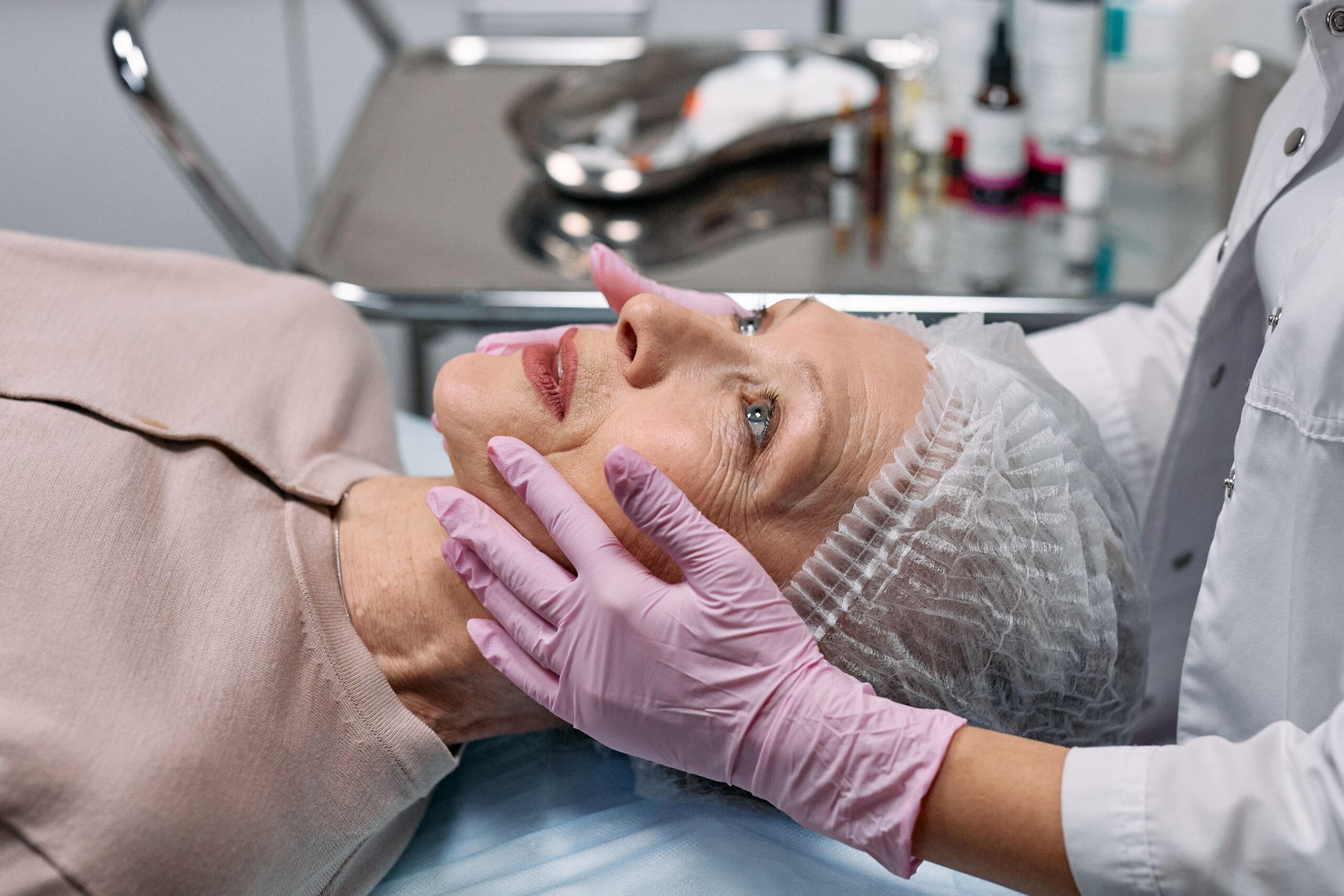
Search for tips on picking a facial rejuvenation procedure and you get the same list every time. Check the surgeon’s before and after photos. Read the reviews. Ask how many years they’ve practiced. None of that is wrong, but it treats the consultation like a transaction to verify rather than a conversation to have. That framing leaves out the part that actually determines whether a patient is happy a year later: whether anyone asked what the patient wants to look like, and whether that goal is realistic for their face.
Excellent photography and decades of experience are great, but not the whole picture
Before and after photos show a result. They don’t show how that result was chosen. Two patients can want the same treatment for completely different reasons, and a good consultation should end with different plans for each of them. A face that has lost volume needs a different approach than one that shows mostly skin laxity, even if both patients walked in asking for “a facelift.”
Years in practice matters less than what a surgeon does with a first appointment. Some surgeons spend fifteen minutes confirming a patient’s request and scheduling surgery. Others spend that time asking questions before they say anything about technique.
What a real consultation should cover
Theodore Gerstle, a plastic surgeon in Lexington, Kentucky, treats the consultation itself as part of the medical work, not a sales step before it. His view is that the first conversation should surface what a patient actually dislikes about their appearance, not just the procedure name they came in with, because those two things often don’t match.
A patient who says “I want a facelift” might really be reacting to hollowed cheeks, heavy eyelids, or sun damage that no amount of lifting will fix. Someone who has read about a specific technique online may not need surgery at all. Sorting that out before anyone talks about an operating room is where the standard advice falls short. It tells patients to research procedures. It should tell them to research what’s actually causing the change they see in the mirror.
Discussions at consultation
- What is bothering you when you look in the mirror, specifically?
- What would you change if surgery weren’t an option, just non-surgical treatments?
- What happens if we do less than what I’m asking for?
- What’s the least invasive option that would still get me most of the way there?
- How much time off work will I need?
- Are all surgeries performed in a nationally accredited surgical facility?
- Will there be scarring?
- Can I make payments over time?
Patients rarely ask that third and fourth question, and surgeons rarely raise them without prompting.
The mismatch between expectations and anatomy
Facial aging doesn’t move at the same speed everywhere on the face. Skin, fat, muscle, and bone all age differently, and they age differently in each patient. Someone in their forties might already have significant volume loss but minimal skin laxity. Someone a decade older might have the opposite. A single “facelift” recommendation applied evenly to everyone ignores that.
Gerstle’s approach is to treat the consultation as diagnostic first. That means identifying which layer of the face has changed the most before recommending what to do about it. A patient who needs volume restored is a poor candidate for a procedure built mainly to tighten skin. A patient with true skin laxity won’t get lasting results from filler alone, no matter how it’s marketed.
Conservative options belong in the conversation, not as an afterthought
Nerve blocks, Botox, and other non-surgical treatments come up often at Lexington Plastic Surgery, including for migraine treatment as well as facial aesthetics. Skin care regimens ideally begin with a medical skin analysis and facial with our Aesthetic Nurse. We always consider the Aesthetic Ladder when improving a given area, starting with simplest, most cost effective treatments to lay the foundation for an excellent cosmetic result in the future, if that’s in the cards. That may seem backwards for a lot of patients. Some conditions and concerns resolve with conservative treatment and never need surgery at all. Others need surgery from the start, and delaying it with lesser treatments just costs time and money. The right order depends on the anatomy and the goal, not on an assumption that less invasive always comes first.
A short list of what actually helps patients decide
- Ask for the reasoning behind a recommendation, not just the recommendation.
- Get a plan for what happens if the first treatment doesn’t fully work.
- Ask what the surgeon would do with more conservative options first, and why they aren’t recommending that here.
- Bring a specific concern, not a procedure name, to the first visit.
What good looks like when the consultation is done right
A good consultation ends with a patient who understands why a specific plan was chosen for their face, not just what the plan involves. It should account for age, skin quality, and how much correction is realistic without looking unnatural. It should also leave room to say a procedure isn’t needed yet, or isn’t the right fit at all.
That last part is the real test. Any consultation that only ever confirms what the patient already asked for isn’t doing the diagnostic work it should. The standard advice tells patients to shop around for the right surgeon. It’s just as important to shop for the right question.
→ Our best content lives on the homepage — don’t miss it.
There is no ads to display, Please add some